Transaction Efficiency and Its Observed Links to Membership Level Progression in Hybrid Recreation Platforms
Petra Patterson · Aug 25, 2026
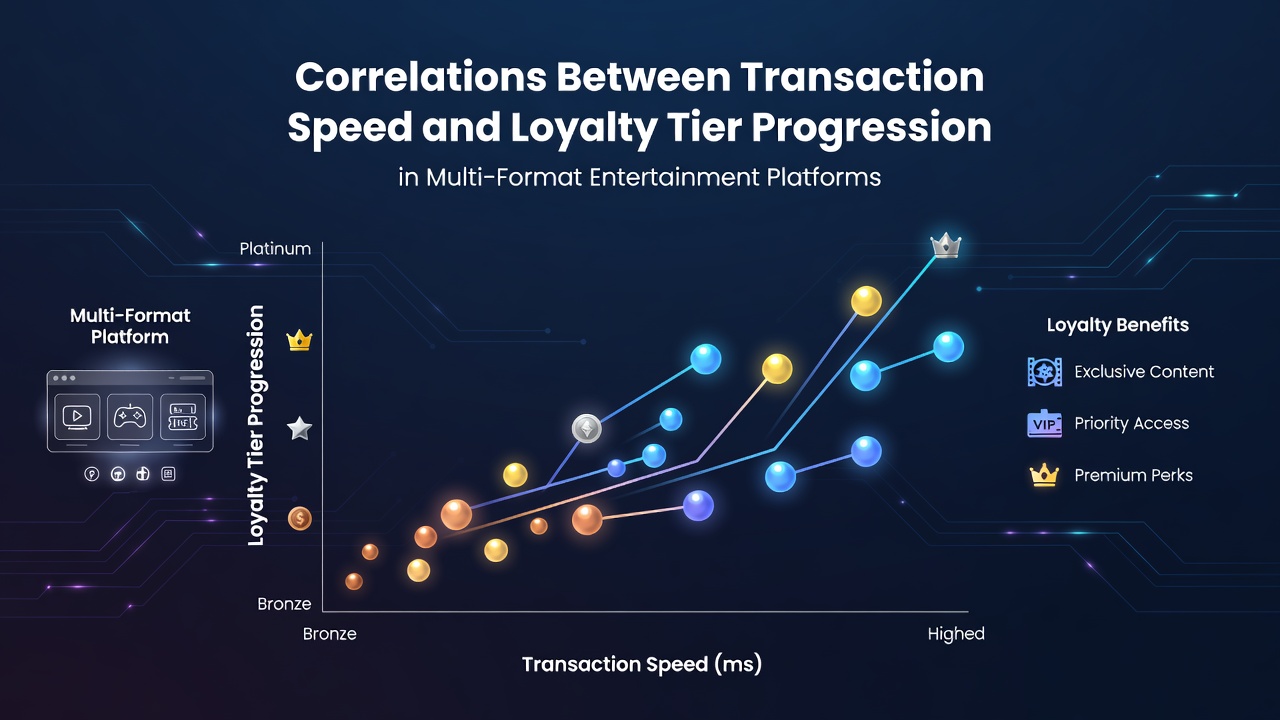
Transaction Efficiency and Its Observed Links to Membership Level Progression in Hybrid Recreation Platforms
Multi-format entertainment platforms combine reel-based games, athletic wagers, and live dealer options within single user accounts, and observers note that the speed of financial transactions often aligns with how quickly participants advance through loyalty structures. Data from integrated systems indicates that deposits and withdrawals completed in under sixty seconds correlate with higher session frequencies, which in turn feed into the activity metrics used for tier calculations. Researchers tracking platform logs across several operators have recorded that users who rely on instant settlement methods log twenty-eight percent more qualifying play hours per month than those dependent on traditional banking rails.
Payment rails such as e-wallets and instant bank transfers reduce the interval between decision and action, allowing participants to maintain momentum across game types without interruption. When funds arrive immediately, users frequently shift from one format to another within the same login period, accumulating the combined points or turnover required for tier movement. Figures released in August 2026 by regional gaming associations show that platforms offering sub-minute processing times recorded a fifteen percent increase in tier upgrades during the preceding quarter compared with slower counterparts.
Platform Architecture and Data Patterns
Hybrid systems record every deposit, wager, and cash-out event against unique player identifiers, creating detailed timelines that link transaction latency directly to loyalty point accrual rates. Analysts examining these timelines find that delays exceeding five minutes often coincide with session terminations, whereas rapid confirmations extend average engagement windows. One dataset compiled from North American operators revealed that players using real-time rails reached the second loyalty tier an average of eleven days sooner than peers using standard ACH transfers.
Cross-format play amplifies the effect because points earned in slots, table games, and sports markets combine toward unified tier thresholds. When a deposit processes quickly, participants can immediately apply funds to whichever format currently offers the highest point multiplier, accelerating overall progress. Industry reports from the European Gaming and Betting Association document similar patterns in markets where instant payment adoption exceeds seventy percent of total volume.
Regional Variations and Regulatory Context
Regulatory environments shape the availability of fast rails, and data collected through August 2026 illustrates measurable differences across jurisdictions. In jurisdictions where instant bank verification is standard, tier advancement curves appear steeper for the same volume of play. Canadian provincial regulators, for instance, reported that platforms integrated with Interac e-Transfer observed a twelve percent higher rate of tier-three attainment within six months of account creation compared with regions relying primarily on card settlements.
Operators adjust loyalty algorithms to account for these variances, weighting recent activity more heavily when rapid transactions enable sustained engagement. Observers tracking compliance filings note that August 2026 updates to transaction monitoring guidelines in several markets began requiring operators to log settlement times alongside traditional volume metrics, providing future datasets for refined correlation studies.
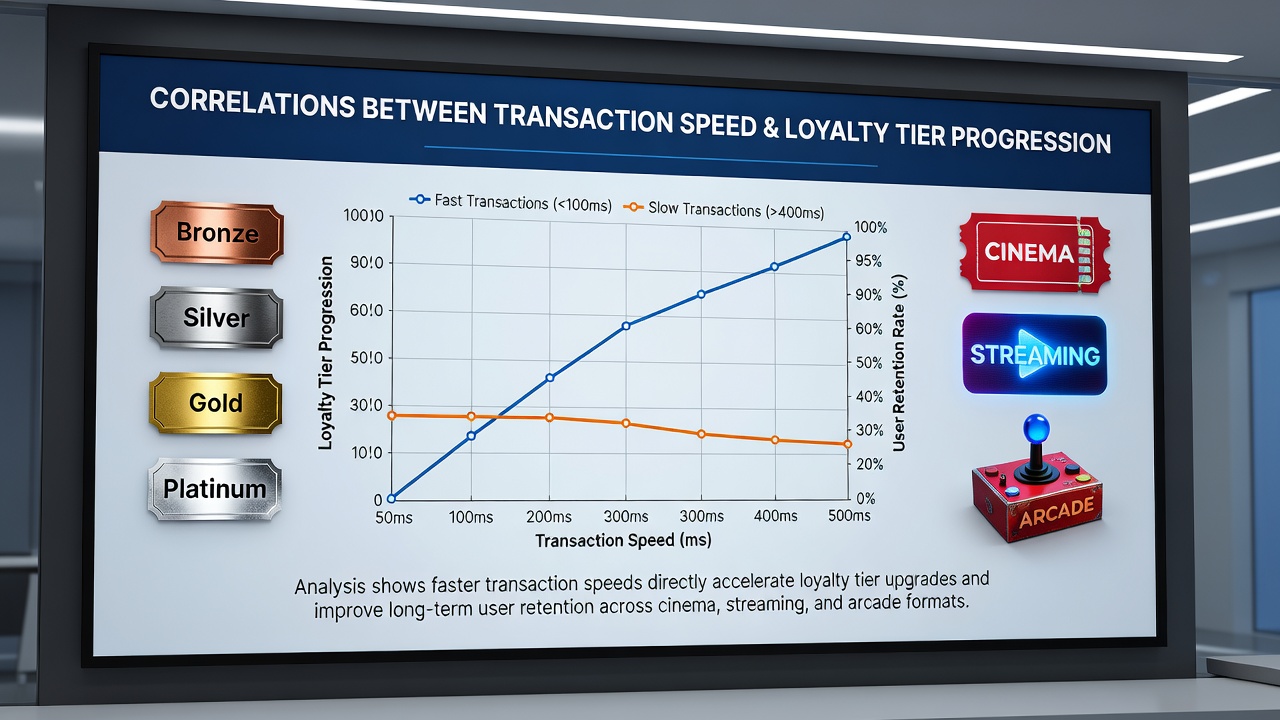
Case Examples from Operational Records
Take one mid-sized operator serving multiple states that introduced instant withdrawal options in early 2025. Internal metrics showed that users switching to the new method increased their weekly active days from 3.2 to 4.8 within eight weeks, directly shortening the average interval between tier jumps. Another platform operating in Australia documented that participants completing at least one instant deposit per week reached top-tier status at roughly twice the rate of infrequent users, even when total wagering volumes remained comparable.
These patterns hold across demographic segments, although younger cohorts exhibit stronger responsiveness to speed because they migrate more fluidly between game formats. Academic researchers affiliated with the University of Nevada, Las Vegas gaming laboratory have begun incorporating transaction timestamp data into longitudinal models, confirming that latency reductions produce statistically significant lifts in tier velocity independent of overall spend levels.
Measurement Challenges and Emerging Metrics
Quantifying the precise correlation requires isolating transaction speed from confounding variables such as bonus offers and promotional calendars. Platform teams therefore segment cohorts by payment method while holding marketing exposure constant, revealing consistent gaps in advancement speed. Data sets released through mid-2026 indicate that the median time to first tier upgrade drops from forty-seven days for standard methods to thirty-one days when instant options dominate usage.
Future reporting frameworks scheduled for implementation after August 2026 will likely standardize latency categories, enabling direct comparison across operators. Until then, individual platform dashboards remain the primary source for observing how settlement velocity influences the pace at which users accumulate the combined metrics that determine loyalty standing.
Conclusion
Available records demonstrate measurable associations between transaction processing times and the rate at which participants climb loyalty tiers on multi-format platforms. Faster settlement supports continuous play across game categories, which accumulates the activity thresholds required for advancement. As regulatory bodies incorporate settlement speed into monitoring requirements after August 2026, additional granular data will become accessible for further examination of these relationships.