Tracing Reward Pathways in Unified Gaming Ecosystems Linking Table Games, Athletic Wagers, and Tiered Membership Benefits
Bianca Bennett · May 16, 2026
Tracing Reward Pathways in Unified Gaming Ecosystems Linking Table Games, Athletic Wagers, and Tiered Membership Benefits
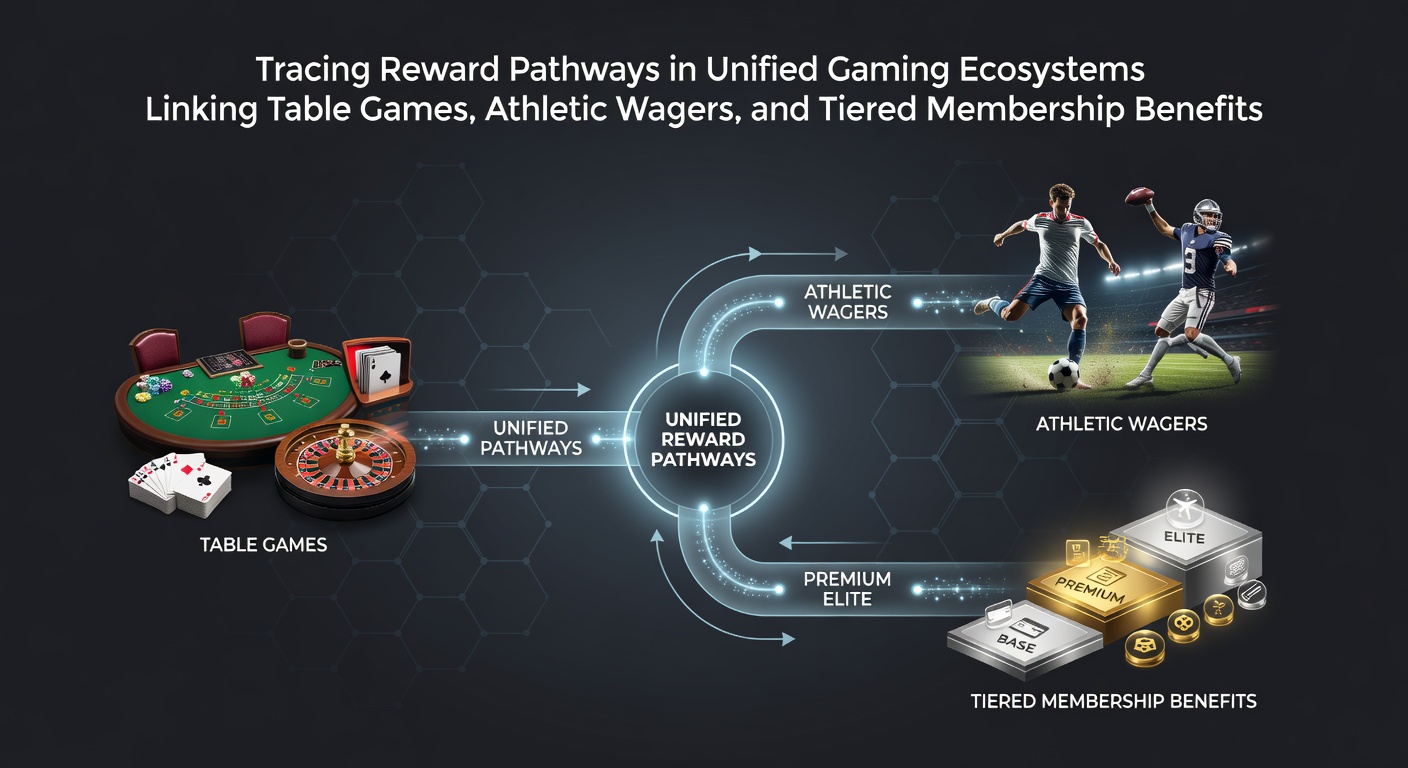
Unified gaming ecosystems now connect activity across table games, athletic wagers, and tiered membership structures through shared reward pathways that accumulate points from multiple sources into single accounts. These systems track player engagement in real time, converting bets placed on blackjack tables or live sports events into loyalty credits that unlock benefits at higher membership levels. Operators design the pathways so that a single wager on either format contributes to the same progress meter, allowing seamless movement between game types without resetting accumulated status. Data from platform analytics indicate that integrated tracking increases cross-category participation by linking table game sessions directly to sports betting interfaces. Players earn base points for each dollar wagered on roulette or craps, while athletic wagers generate additional multipliers when tied to live events. The combined totals feed into tiered membership programs where thresholds determine access to benefits such as faster withdrawals, dedicated account managers, and exclusive event invitations.Mechanics of Point Accumulation Across Categories
Points originate from distinct game mechanics yet converge in centralized ledgers. Table game contributions typically follow fixed ratios, such as one point per five dollars wagered on blackjack or baccarat, whereas athletic wagers often apply dynamic multipliers based on odds and event type. When a user places a parlay on multiple sports outcomes, the system calculates points using both stake size and risk level, then merges these values with any concurrent table game activity. This merged total determines eligibility for the next membership tier without requiring separate tracking systems.
Researchers have documented that unified ledgers reduce administrative overhead by replacing multiple standalone loyalty programs with one algorithm. The algorithm applies consistent valuation rules across verticals, converting table game handle and sports handle into equivalent loyalty units. Platforms that adopted this approach in early 2025 reported measurable shifts in player behavior, with users moving between table games and athletic wagers more frequently to optimize point velocity.
Tiered Membership Structures and Cross-Game Benefits
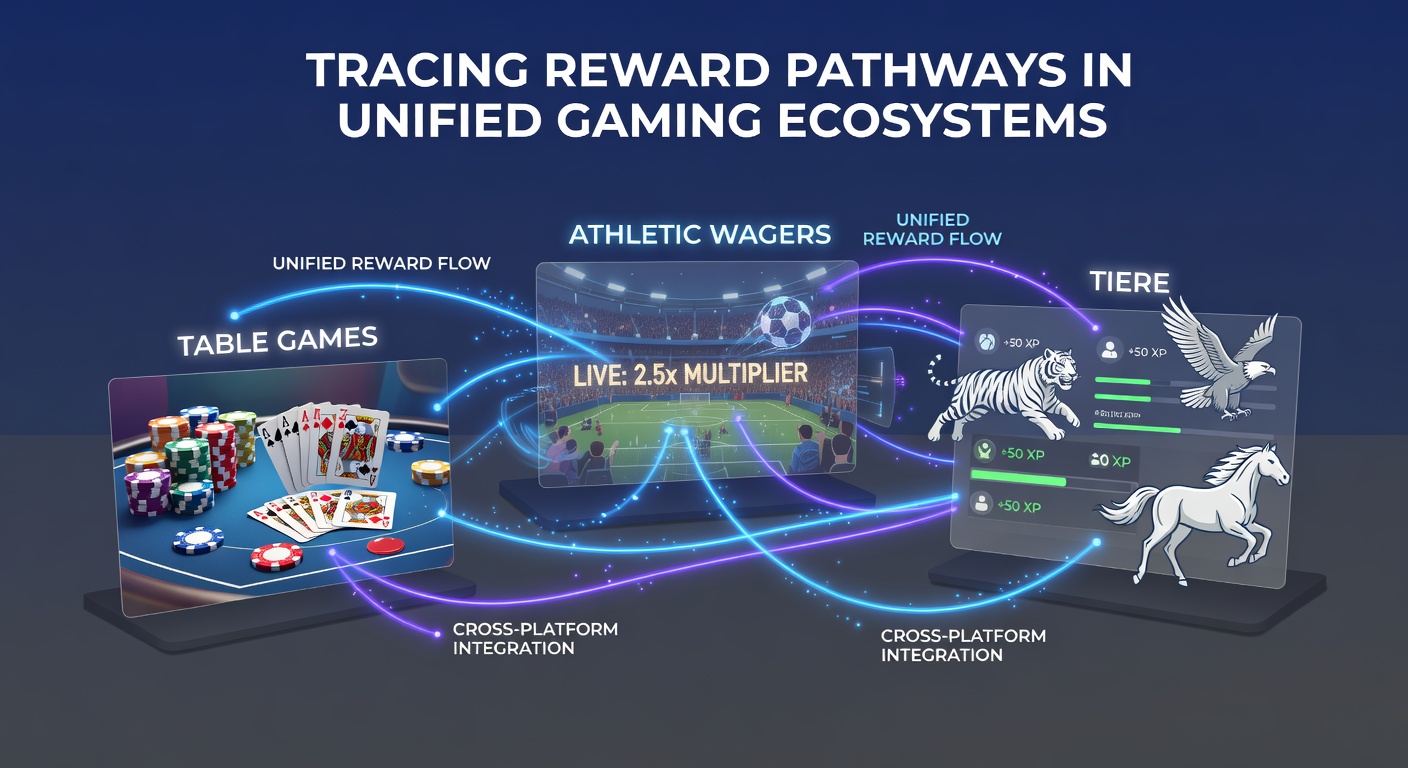
Membership tiers operate on cumulative point thresholds that reset annually or semi-annually depending on operator policy. Lower tiers grant standard perks such as bonus credits on deposits, while mid-level tiers unlock enhanced table game comps and sports betting cashback percentages. Higher tiers provide access to private tournaments that combine table game formats with athletic wager pools, creating hybrid events where points earned during the event count toward the next annual tier reset.
According to figures released by the American Gaming Association, integrated tier systems now cover more than 60 percent of major North American operators, with similar adoption rates appearing in Australian markets through state-regulated frameworks. These structures allow a player who reaches platinum status via table game volume to receive the same sports betting rebate rate as someone who reached the tier primarily through athletic wagers.
Integration Patterns Observed in May 2026 Updates
During May 2026, multiple operators deployed API enhancements that synchronized real-time point updates between mobile table game clients and sports betting engines. The updates enabled simultaneous display of tier progress bars while users switched between dealing virtual cards and placing live bets on the same session. Observers note that these changes reduced latency in point posting from several minutes to under five seconds, improving visibility into how individual wagers affect overall membership trajectory.
Regulatory filings from the Nevada Gaming Control Board and parallel documentation submitted to the Australian Communications and Media Authority show that these synchronized systems maintain separate audit trails for each vertical while feeding a unified membership database. The dual-layer design satisfies jurisdiction-specific reporting requirements without fragmenting the player-facing reward experience.
Examples of Pathway Tracing in Practice
One documented case involves a player who accumulated 12,000 points through a combination of baccarat sessions and NBA playoff wagers over a six-week period. The points advanced the account from silver to gold tier, unlocking a 15 percent rebate on future athletic wagers and complimentary tournament entries that themselves generate additional points. The pathway remained transparent because each transaction carried metadata tags identifying the source vertical, allowing the player to review contribution breakdowns through account dashboards.
Similar patterns appear in European markets where operators link table game and sports activity under single loyalty identifiers. Data aggregated by the European Gaming and Betting Association indicates that players using unified pathways maintain 23 percent longer average session durations compared with those restricted to single-vertical programs.
Conclusion
Unified reward pathways continue to evolve as operators refine algorithms that balance point values across table games and athletic wagers while maintaining tier integrity. The linkage between these activities and membership benefits creates measurable continuity for players who engage across formats. Continued regulatory oversight from bodies such as the Nevada Gaming Control Board ensures that point calculations remain auditable even as integration deepens. Platforms that maintain clear mapping between wager types and tier progression provide users with predictable advancement routes based on combined activity rather than isolated performance in any single category.