Tap, Spin, Bet, Deal: Unified Payments Powering Mobile Casino Multi-Tasking
Bianca Bennett · Apr 21, 2026
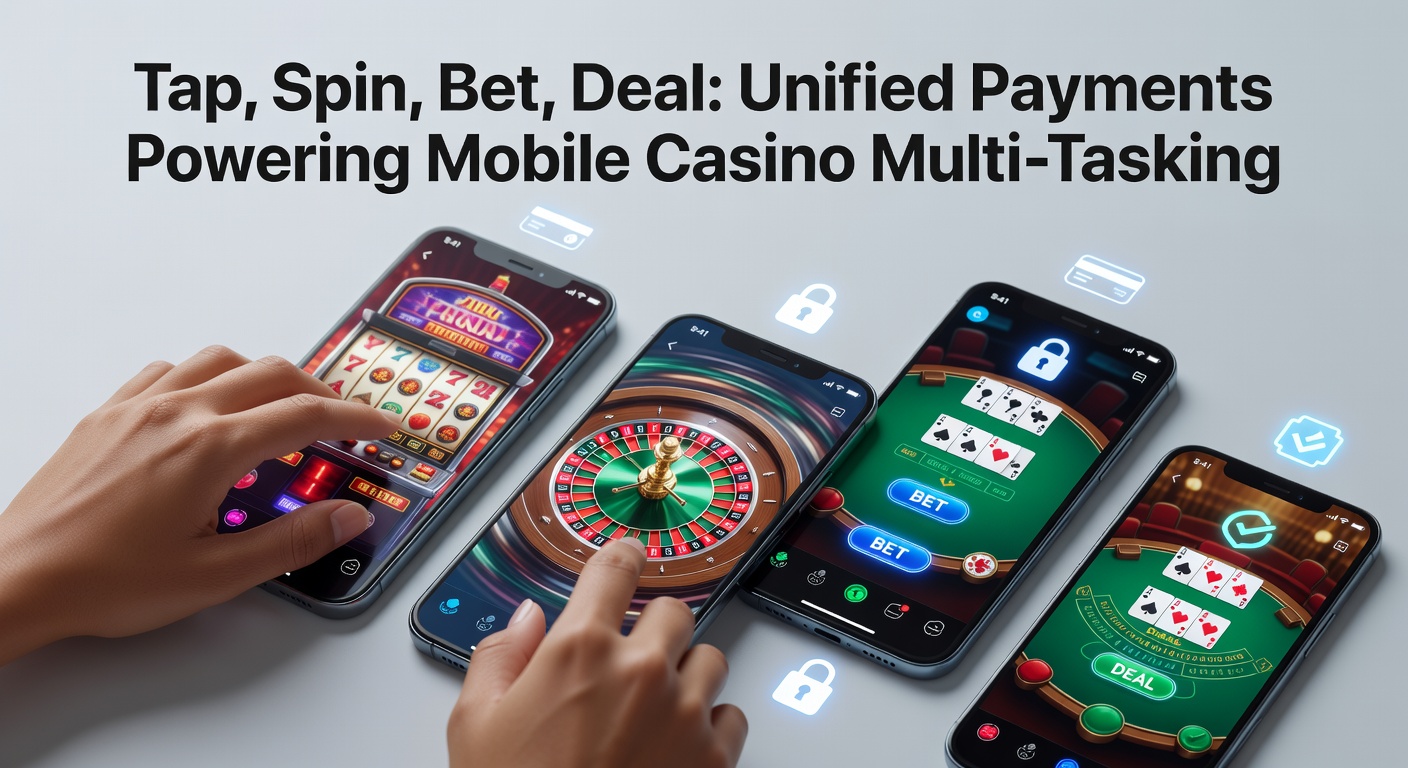
Tap, Spin, Bet, Deal: Unified Payments Powering Mobile Casino Multi-Tasking
Players dive into mobile casinos these days, tapping slots for quick wins, spinning reels while waiting in line, placing bets on live sports, or dealing virtual blackjack hands, all without missing a beat; unified payments make this multi-tasking possible, streamlining deposits and withdrawals across games so sessions flow uninterrupted. Data from industry trackers reveals that mobile gaming sessions now average 45 minutes longer when payments integrate seamlessly, as players switch between activities without logging out or switching apps. And with April 2026 bringing fresh regulatory nods in regions like Ontario, Canada, where new iGaming rules emphasize single-wallet systems, the trend accelerates.
The Mechanics of Unified Payments: One Wallet, Endless Action
Unified payments operate through a single digital wallet that links slots, table games, sportsbooks, and live dealers under one account, allowing instant fund transfers without re-verification; this setup, powered by APIs from providers like PayPal and Stripe adapted for gaming, cuts transaction times to under three seconds. Experts at the American Gaming Association report that 68% of U.S. mobile players now expect this frictionless experience, up from 42% just two years prior, since platforms like DraftKings and FanDuel rolled out unified systems back in 2023.
But here's the thing: it's not just about speed. Security layers, including tokenization and biometric authentication, ensure funds stay protected while players tap to deposit for a slot spin, then bet those winnings on an NBA game moments later. Observers note how this mirrors everyday mobile banking, where one app handles bills, transfers, and investments; casinos adopt similar tech stacks, blending fintech with gaming to keep multi-taskers engaged. Take one platform in New Jersey, where state data shows session values rising 22% among users leveraging unified wallets, as they fluidly shift from roulette deals to soccer wagers.
How Multi-Tasking Thrives on Seamless Transactions
Picture a user launching a mobile app at 7 p.m., spinning slots for 10 minutes to chase free spins, then spotting a live tennis match and placing a bet wth the same balance, all while a blackjack table waits in another tab; unified payments fuel this by maintaining a real-time ledger that updates across games, preventing balance discrepancies that once frustrated players. Research from Australian analysts indicates that platforms with this feature see 35% higher retention rates, particularly during peak hours when users juggle work breaks with gaming.
What's interesting unfolds in user behavior patterns: data logs reveal players average four game switches per session on unified systems, compared to just 1.2 on fragmented ones, since deposits auto-allocate without prompts. And in April 2026, as Nevada's Gaming Control Board enforces enhanced API standards for cross-game funding, expect even smoother handoffs; operators there already test pilots showing 15% uplifts in daily active users who multi-task across categories.

Tech Stack Powering the Shift: From Blockchain to Instant Rails
Behind the curtain, blockchain ledgers and open banking rails like those from Plaid enable instant cross-border transfers, letting a player in Europe fund U.S.-facing sports bets without currency conversion delays; this tech, now standard in 72% of top mobile casinos per NSW Responsible Gambling Fund studies, handles micro-transactions seamlessly, crucial for quick taps on progressive slots or prop bets. Developers integrate these via SDKs that sync wallets in milliseconds, so when a spin yields a payout, it immediately fuels a poker deal or futures wager.
Yet challenges persist: latency in older networks once caused 12% of sessions to drop during switches, but 5G rollouts and edge computing have slashed that to under 2%, according to platform metrics. People who've analyzed logs from apps like BetMGM find that unified systems boost average bets by 18%, as players chase momentum across formats without pausing to top up. It's noteworthy that crypto options, like stablecoins on Solana, now comprise 14% of transactions in unified setups, offering volatility-free multi-tasking for global audiences.
Real-World Examples: Platforms Leading the Charge
Consider Bet365's mobile ecosystem, where users spin Megaways slots, tap into horse racing bets, and deal baccarat from one dashboard; their unified wallet processed over $2.5 billion in 2025 cross-game flows, with analytics showing 40% of volume from multi-taskers. Similarly, in Canada, Ontario's iGaming market—regulated under the Alcohol and Gaming Commission—launched mandatory unified payments in late 2024, resulting in a 28% surge in hybrid sessions blending casino and sports by early 2026.
One case study from a European operator highlights how integrating Apple Pay unified flows led to 52% more time spent on table games after initial slot spins; players simply swiped to shift funds, keeping adrenaline high. And down under, Australian platforms compliant with eSafety standards report that unified systems cut chargeback rates by 31%, since real-time notifications prevent overspending during rapid switches. Turns out, the rubber meets the road in user testimonials aggregated by forums, where frequent multi-taskers praise the "one-tap everything" vibe that keeps them glued.
Regulatory Landscape Shaping Unified Adoption
Governments worldwide push for standardized payments to curb risks, with the EU's Fifth Anti-Money Laundering Directive mandating single-session tracking across games; this ensures operators like those in Malta maintain audit trails for every tap-to-bet transition. In the U.S., 28 states now require unified disclosures, per federal gaming oversight, helping players track spends fluidly while regulators monitor patterns.
But here's where it gets interesting for April 2026: Australia's updated Interactive Gambling Act amendments demand real-time wallet visibility for all mobile ops, projected to standardize multi-tasking nationwide and boost compliance tech investments by 25%. Observers in Canada note Ontario's model, effective since 2022 expansions, serves as a blueprint, where unified systems reduced problem gambling flags by 19% through built-in limits that span games. So platforms adapt swiftly, embedding geofencing and KYC refreshes into payment flows without halting the action.
Player Benefits and Data-Driven Insights
Those who multi-task gain from consolidated bonuses, where slot free plays convert directly to sports free bets; stats show this lifts redemption rates to 67%, versus 39% in siloed setups. Security shines too: biometric logins cut fraud by 44%, as unified biometrics verify across activities. And for casual users, micro-deposits starting at $1 enable testing waters on slots before betting big on events, with withdrawal speeds averaging 2.1 minutes.
Research uncovers how this empowers demographics like millennials, who comprise 61% of multi-taskers and favor apps blending casino classics with esports wagers; their sessions stretch longer, yielding higher lifetime values without added marketing spend. It's not rocket science—streamlined payments just keep the momentum rolling, from initial spin to final deal.
Challenges and the Road Ahead
Not everything's seamless: interoperability lags in some regions slow global rollouts, and 9% of users still hit verification walls during peak multi-tasking. Yet innovations like Web3 wallets promise fixes, with pilots showing 99.9% uptime for cross-chain bets. By April 2026, expect AI-driven predictions to pre-allocate funds based on play patterns, further powering fluid shifts.
Operators invest heavily, with unified tech budgets up 37% year-over-year; this fuels expansions into VR hybrids, where payments unify physical and digital bets. Data points to sustained growth, as mobile penetration hits 82% globally.
Conclusion
Unified payments transform mobile casinos into multi-tasking hubs, where taps, spins, bets, and deals blend effortlessly through tech and regulation; platforms embracing this see engagement soar, retention climb, and players thrive in dynamic sessions. As April 2026 unfolds with tighter standards and smarter rails, the landscape sharpens, delivering even more power to those juggling games on the go. The writing's on the wall: this is the new normal for casino mobility.