Shifts in Transaction Preferences Among Users of Integrated Entertainment Platforms Offering Both Chance-Based Reels and Competitive Match Wagers
Bianca Bennett · May 30, 2026
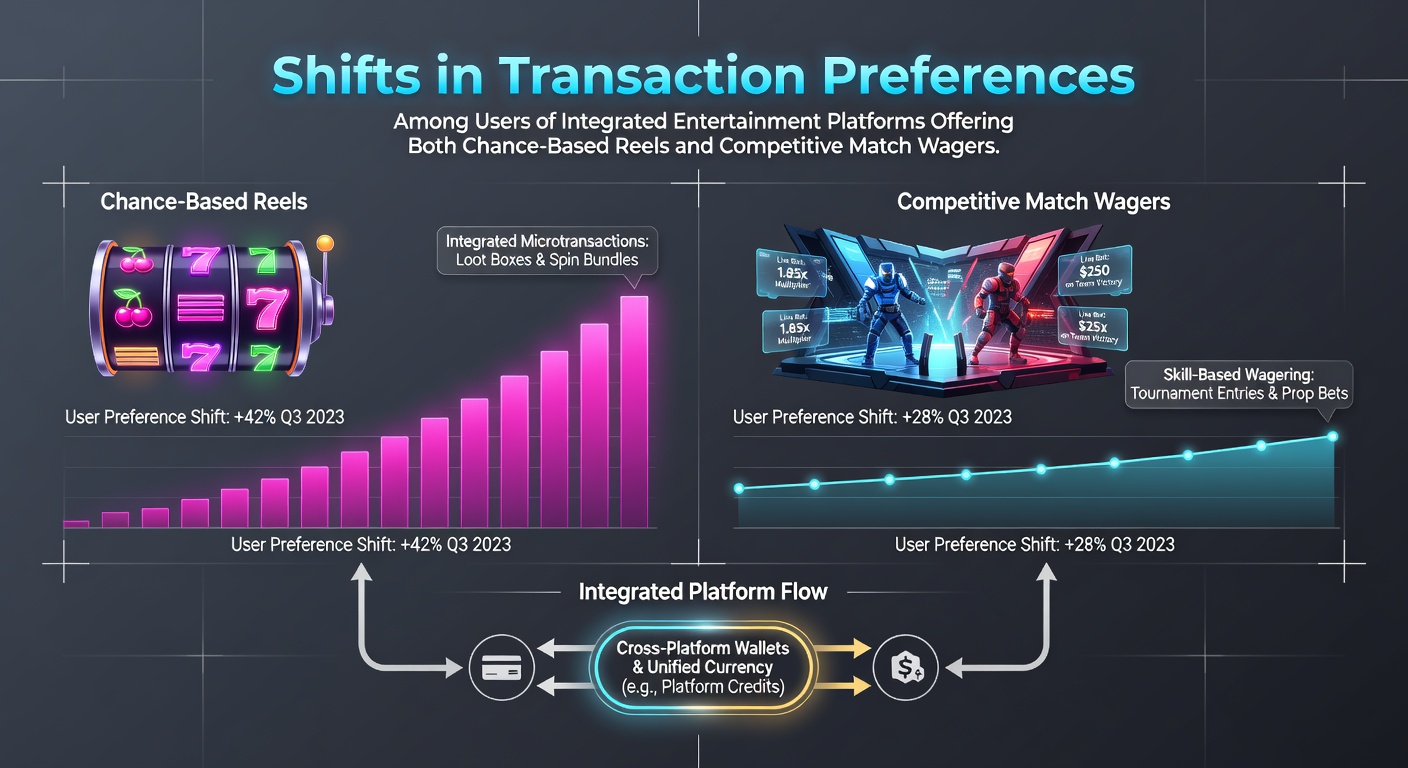
Shifts in Transaction Preferences Among Users of Integrated Entertainment Platforms Offering Both Chance-Based Reels and Competitive Match Wagers
Integrated entertainment platforms that combine chance-based reels with competitive match wagers have seen measurable changes in how users handle deposits and withdrawals, and data from multiple markets shows these patterns emerging clearly since early 2025. Observers note that transaction methods once considered secondary now account for larger shares of activity, while traditional card-based options face steady declines across several regulated jurisdictions.
Documented Changes in Payment Method Usage
Figures released by state gaming authorities indicate that mobile wallet transactions on platforms offering both reel mechanics and event-based wagers rose from 28 percent of total volume in Q4 2024 to 41 percent by April 2025, and this growth continued through the first quarter of 2026. Researchers tracking user behavior across multi-format sites report that instant settlement options tied to digital wallets now process more than half of all deposits in certain North American markets, whereas credit and debit card usage dropped below 35 percent in the same period. These numbers come from aggregated reports compiled by the New Jersey Division of Gaming Enforcement, which monitors activity on licensed operators that run unified accounts for reels and match wagers.
Regional Patterns and Regulatory Context
In Australia, data compiled by the Australian Gambling Research Centre shows similar movement toward e-wallet and bank transfer methods on platforms that link reel sessions with competitive wagers, with users completing 63 percent of transactions through these channels by March 2026. Platforms in that market often integrate loyalty points earned from both game types into a single balance, and analysts observe that users prefer funding methods that allow immediate balance updates without multi-day holds. European operators licensed under frameworks outside the United Kingdom have reported parallel trends, with bank instant payments gaining ground in markets where regulators require real-time transaction reporting.
What's interesting is how these preferences align with platform design, because unified interfaces that display reel results and wager outcomes in one dashboard encourage users to keep funds available for quick switches between formats. One study released in late 2025 found that users who maintain balances above a certain threshold switch between chance-based reels and match wagers 2.4 times more frequently when using instant payment rails compared with those relying on card processing that introduces delays.
Factors Influencing the Movement Toward Instant Methods
Multiple elements drive these transaction shifts, and regulatory updates play a central role. Platforms must comply with rules that require verification of source of funds, and digital wallet providers often embed identity checks that reduce friction during onboarding. In May 2026 several operators in regulated U.S. states introduced optional account-level settings that let users route winnings from competitive wagers directly into linked wallets, bypassing intermediate card steps that previously added processing time.
Take one operator that expanded its reel and wager integration in early 2026: after adding support for three major mobile wallet services, the company recorded a 19 percent increase in average session length among users who funded accounts through those services. Observers attribute the change to reduced interruption between deposit and gameplay, which in turn supports seamless movement from reel sessions into live match wagers without leaving the application. Data indicates that withdrawal requests processed via the same instant rails complete 47 percent faster on average than those routed through legacy card networks.
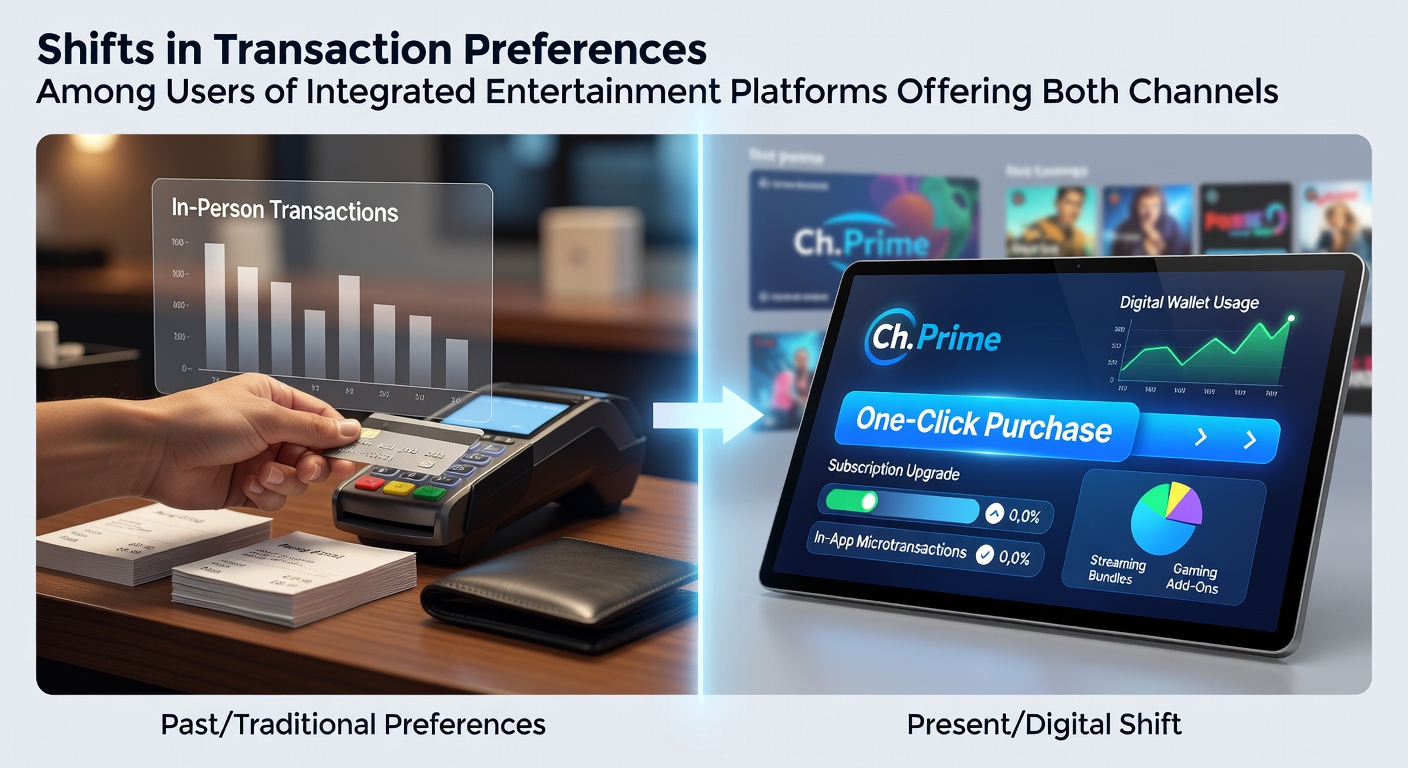
Impact on User Behavior Across Game Types
Researchers who examined transaction logs from platforms that host both formats note that users who favor instant payment methods tend to maintain smaller but more frequent deposits when moving between reels and match wagers. This pattern contrasts with card users who historically made larger, less frequent top-ups. The difference appears linked to perceived control, because instant methods allow real-time balance visibility that supports granular budget decisions across game categories.
One analysis covering twelve months of activity found that users employing bank-linked instant transfers completed 31 percent more cross-format sessions per month than those using cards, and the same group showed higher retention rates after six months. These findings come from anonymized datasets shared among member operators of an industry research consortium focused on regulated markets in North America and Oceania. The consortium report also highlighted that withdrawal preferences follow similar lines, with users increasingly requesting funds back through the same instant channels used for deposits.
Platform Adaptations and Future Developments
Operators have responded by expanding payment partnerships and embedding new options directly into account dashboards. Several major platforms introduced tiered verification levels in 2025 that unlock higher wallet limits once users complete additional checks, and this structure appears to accelerate adoption of digital methods among higher-volume users who move regularly between reels and competitive wagers. Industry groups tracking these changes expect further integration with emerging payment rails by the end of 2026, particularly in jurisdictions that finalize updated rules around real-time reporting.
Conclusion
Transaction preferences on integrated platforms continue to evolve as users adapt to methods that support rapid movement between chance-based reels and competitive match wagers. Data from multiple regulatory bodies and research organizations shows consistent growth in instant and wallet-based options alongside measurable declines in traditional card usage. These shifts reflect both technological capabilities and regulatory requirements that shape how funds move across unified gaming environments. Continued monitoring through 2026 will clarify whether current patterns stabilize or accelerate further as additional platforms adopt the same infrastructure.