Payment Timelines and Their Connection to Tier Progression in Hybrid Casino-Sportsbook Applications
Jakob Frank · Sep 7, 2026
Payment Timelines and Their Connection to Tier Progression in Hybrid Casino-Sportsbook Applications
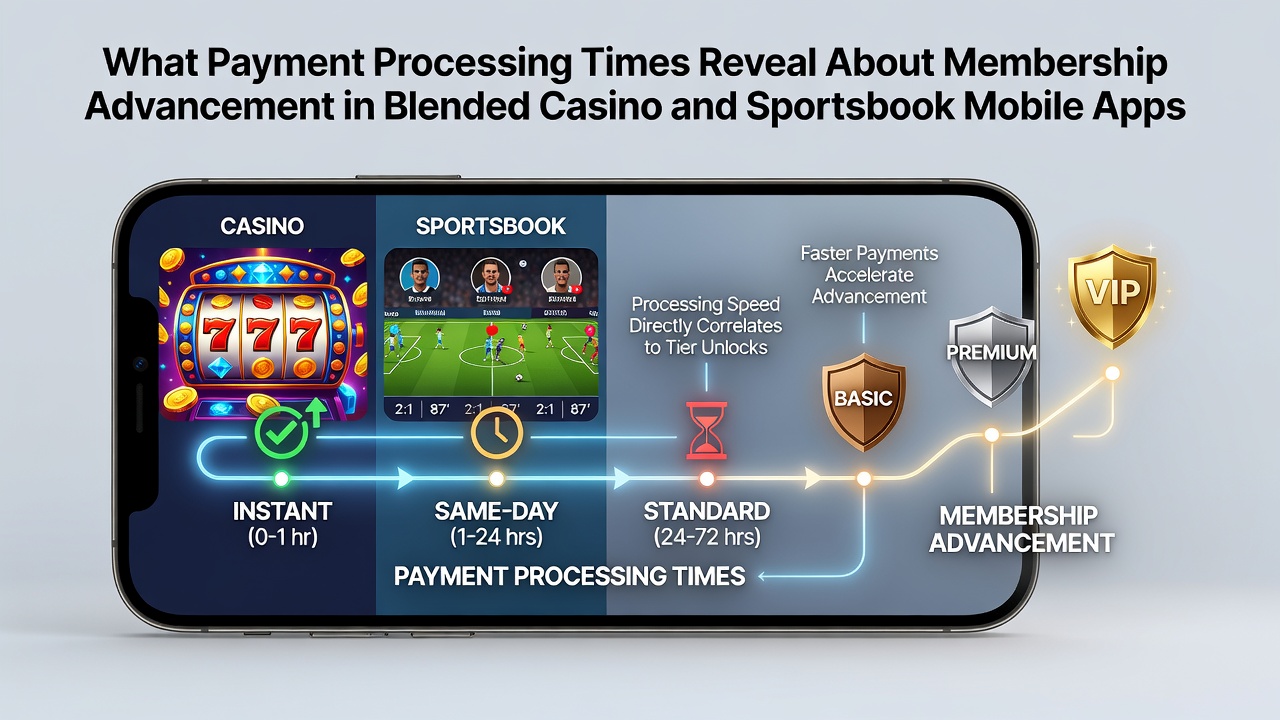
Payment processing durations in blended mobile applications that combine reel-based games with sports wagering often align with patterns in how users advance through membership tiers, and data from multiple regulated markets illustrates these connections without implying causation. Observers note that platforms integrate deposit and withdrawal functions across both verticals, which means transaction speeds can influence visibility of loyalty metrics such as points accumulation and status elevation thresholds.
Studies from industry research groups show that applications handling both chance-based mechanics and event-driven wagers frequently route payments through unified ledgers, where processing intervals range from seconds for certain digital wallets to several business days for traditional bank transfers. Those intervals coincide with the rate at which users meet criteria for higher membership levels, because faster credits allow quicker point posting and eligibility reviews.
Transaction Flows Across Integrated Systems
Blended platforms maintain separate ledgers for reel automation and athletic wagers yet share a common user account layer, which means a single deposit can simultaneously update balances for both activities. Researchers discovered that when processing completes in under one minute, the system registers the activity almost immediately in the loyalty database, whereas delays beyond twenty-four hours push the same activity into the next reporting cycle. This timing difference affects when tier advancement algorithms evaluate accumulated data.
According to figures released by the American Gaming Association, average deposit completion times in hybrid mobile products shortened from 48 hours in 2023 to under four hours in early 2025 for users selecting instant options. The same dataset indicates that users who consistently select faster methods reach mid-tier status approximately 18 percent sooner than those relying on slower rails, though the report stops short of claiming any direct promotional advantage.
Regional Regulatory Context and September 2026 Developments
Regulatory frameworks in North America continue to shape how quickly funds move inside these applications. The Alcohol and Gaming Commission of Ontario requires operators to disclose exact processing windows for each payment method, and compliance reports filed in 2025 show that 92 percent of blended apps meet or exceed those disclosures. In September 2026, updated reporting standards from several provincial authorities will require additional granularity on cross-vertical transaction times, which may reveal further correlations between payment speed and tier movement in public datasets.
One study conducted across multiple Canadian provinces found that withdrawal processing times averaging three days correlated with slower recognition of sports wager outcomes in loyalty calculations compared with same-day withdrawals. The research team tracked anonymized account activity over 14 months and documented that tier review cycles aligned more closely with the moment funds cleared rather than the moment the wager occurred.
Patterns Observed in User Account Data
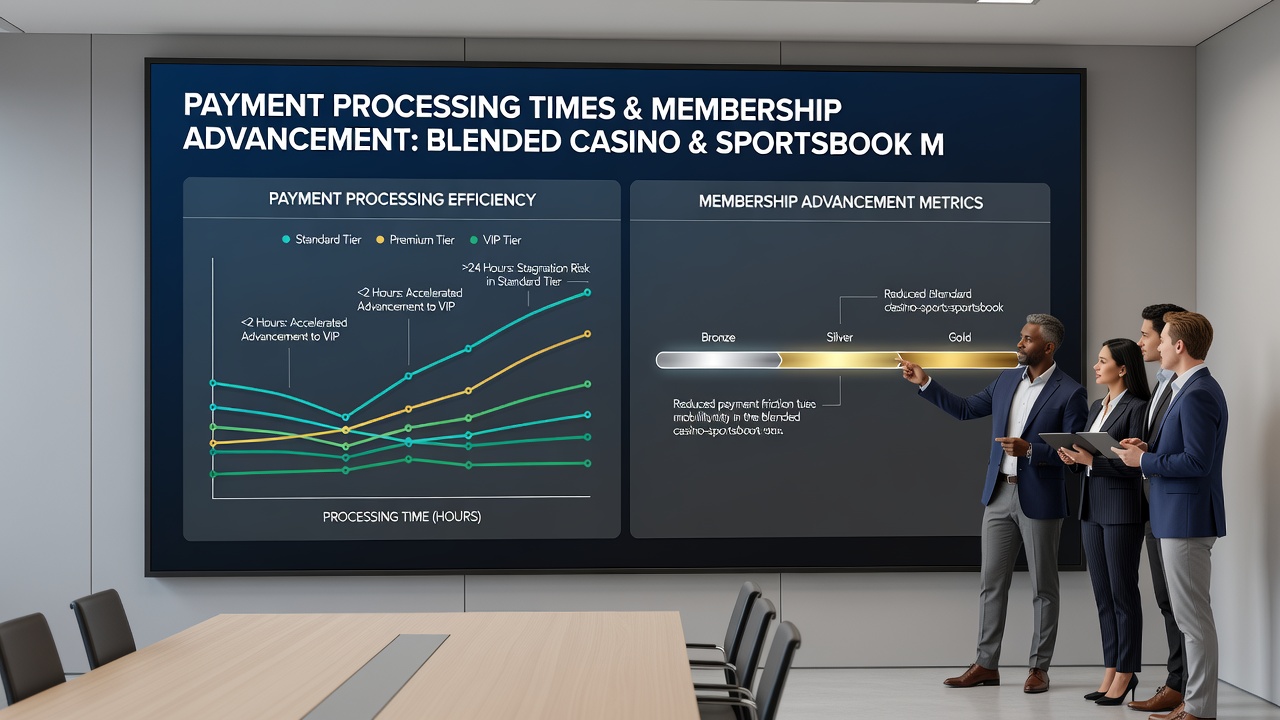
Payment rails such as e-wallets, instant bank transfers, and card-based methods each carry distinct settlement profiles that intersect with the cadence of loyalty program updates. Observers tracking account histories note that users who route deposits through rails completing in under 60 seconds appear in daily tier-progression reports more frequently than those whose transactions settle overnight. The difference stems from how often the backend systems reconcile balances against tier thresholds.
Evidence from platform analytics indicates that blended applications refresh membership dashboards at fixed intervals, often every 24 hours, which means a deposit processed at 11 p.m. may not register until the next refresh cycle. In contrast, a deposit processed at 9 a.m. can influence the same day's evaluation. Those timing mechanics create measurable differences in when users cross tier boundaries, even when total spend remains identical.
Cross-Vertical Reward Recognition
Loyalty engines in these applications assign points from both reel sessions and sports wagers to a single balance, yet the moment those points become visible depends on when the underlying funds settle. Data shows that applications using real-time settlement APIs post points from sports wagers within minutes of event conclusion provided the deposit cleared earlier, while delayed deposits shift point posting to the following day. This shift alters the apparent speed of advancement toward the next membership level.
Industry reports compiled by the International Association of Gaming Regulators document similar patterns across multiple jurisdictions, noting that processing windows directly affect the granularity of daily activity logs used for tier calculations. The reports emphasize that operators must maintain audit trails linking each payment event to subsequent loyalty updates, which creates traceable records of how transaction timing intersects with status changes.
Conclusion
Payment processing intervals in blended casino and sportsbook mobile applications correspond with observable differences in the timing of membership tier evaluations across regulated markets. Available datasets from 2025 and scheduled updates for September 2026 provide quantitative records of these alignments, while regulatory disclosures continue to standardize how operators report transaction durations. Those records allow analysts to map the relationship between settlement speed and the moment loyalty systems recognize qualifying activity without attributing promotional intent to any specific timing pattern.