Payment Rails Reshaping Entry to High-Tier Benefits in Portable Gaming and Wagering Apps
Jakob Frank · Jun 27, 2026
Payment Rails Reshaping Entry to High-Tier Benefits in Portable Gaming and Wagering Apps
Payment infrastructure continues to influence how users progress through membership levels in mobile casino and betting platforms, where transaction speed and method selection often determine eligibility for exclusive rewards and features. Observers note that integrated systems now link deposit velocity directly to tier advancement metrics, allowing certain payment rails to accelerate access to personalized offers and event invitations.
Core Mechanisms Connecting Rails to Tier Progression
Real-time settlement capabilities in e-wallet networks and instant bank transfer protocols enable immediate crediting of funds, which platforms record as qualifying activity toward loyalty thresholds. Data from industry reports shows that users completing deposits via faster rails accumulate the required play volume sooner, unlocking benefits such as higher withdrawal limits and dedicated account management services. Those rails that support recurring micro-transactions also contribute to sustained engagement patterns, as automated top-ups maintain continuous activity logs that feed into algorithmic tier calculations.
Platforms integrate these rails through APIs that flag transaction metadata, including origin type and completion time, for inclusion in membership scoring models. Research indicates that systems prioritizing low-latency rails report higher rates of users reaching mid-tier status within shorter windows compared to those reliant on traditional batch processing methods.
Regional Regulatory Context and June 2026 Developments
Regulatory bodies across multiple jurisdictions have begun aligning payment verification standards with platform loyalty structures ahead of scheduled updates in June 2026. The Nevada Gaming Control Board has outlined expectations for enhanced transaction logging that will require operators to document rail-specific contributions to user tier status. Similar frameworks under consideration in Australian states emphasize traceability requirements that affect how instant payment options interface with reward eligibility tracking.
These changes coincide with broader adoption of standardized APIs that facilitate cross-border rail compatibility, allowing users in regulated markets to maintain tier progress across devices without resetting activity metrics. Figures from the American Gaming Association reveal steady growth in mobile transaction volumes processed through compliant rails during prior compliance cycles, setting the stage for expanded feature access tied to verified payment histories.
Examples of Rail-Specific Feature Unlocks
One documented case involves users leveraging cryptocurrency rails to bypass standard verification delays, resulting in quicker qualification for private tournament entries and custom bonus structures within integrated betting ecosystems. Another pattern emerges with prepaid card networks that platforms configure to trigger automatic status notifications once cumulative spend thresholds align with tier criteria. Observers have tracked instances where bank wire integrations, despite slower initial processing, provide audit trails that platforms credit toward long-term loyalty multipliers unavailable through faster but less documented rails.
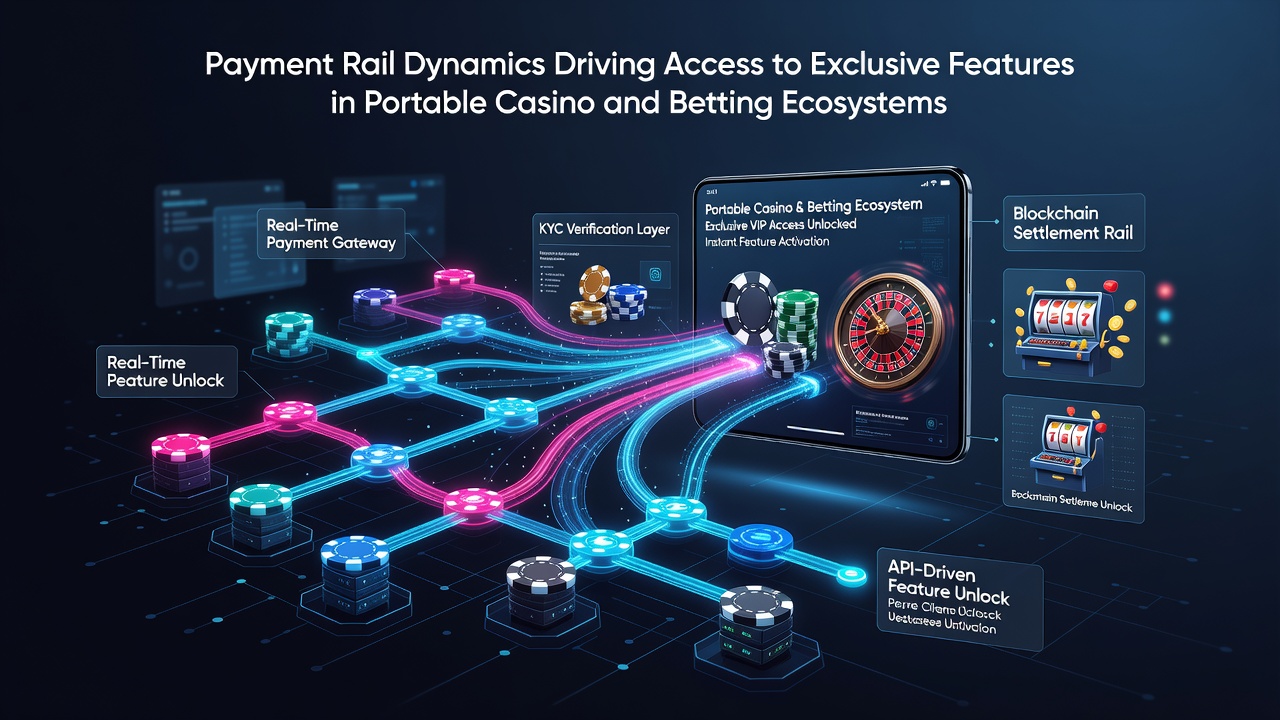
Studies from academic sources, including analyses conducted at the University of Nevada, Las Vegas, highlight correlations between rail diversity and retention rates among high-tier users, noting that platforms offering multiple verified options experience more consistent progression across user cohorts. These findings align with operational data showing reduced drop-off when users can select rails matched to their preferred activity pacing.
Future Infrastructure Considerations
Emerging protocols for embedded finance within mobile applications promise further integration of payment rails with dynamic tier systems, where predictive analytics will route users toward rails that optimize both transaction efficiency and reward accumulation. Industry organizations such as the European Gaming and Betting Association have published position papers detailing potential standardization efforts that could streamline rail selection interfaces across operators by late 2026. Such developments would allow users to view projected tier impacts before initiating transfers, based on historical platform data.
Conclusion
Payment rail dynamics continue to serve as foundational elements determining access pathways to exclusive features in portable casino and betting environments, with transaction attributes directly informing membership algorithms and regulatory compliance frameworks. Continued evolution in these systems, particularly around June 2026 benchmarks, will shape how platforms balance speed, traceability, and user progression across diverse markets.