Payment Choices Steer Player Exploration in Slots, Tables, and Sports Markets
Petra Flores · Jul 2, 2026
Payment Choices Steer Player Exploration in Slots, Tables, and Sports Markets
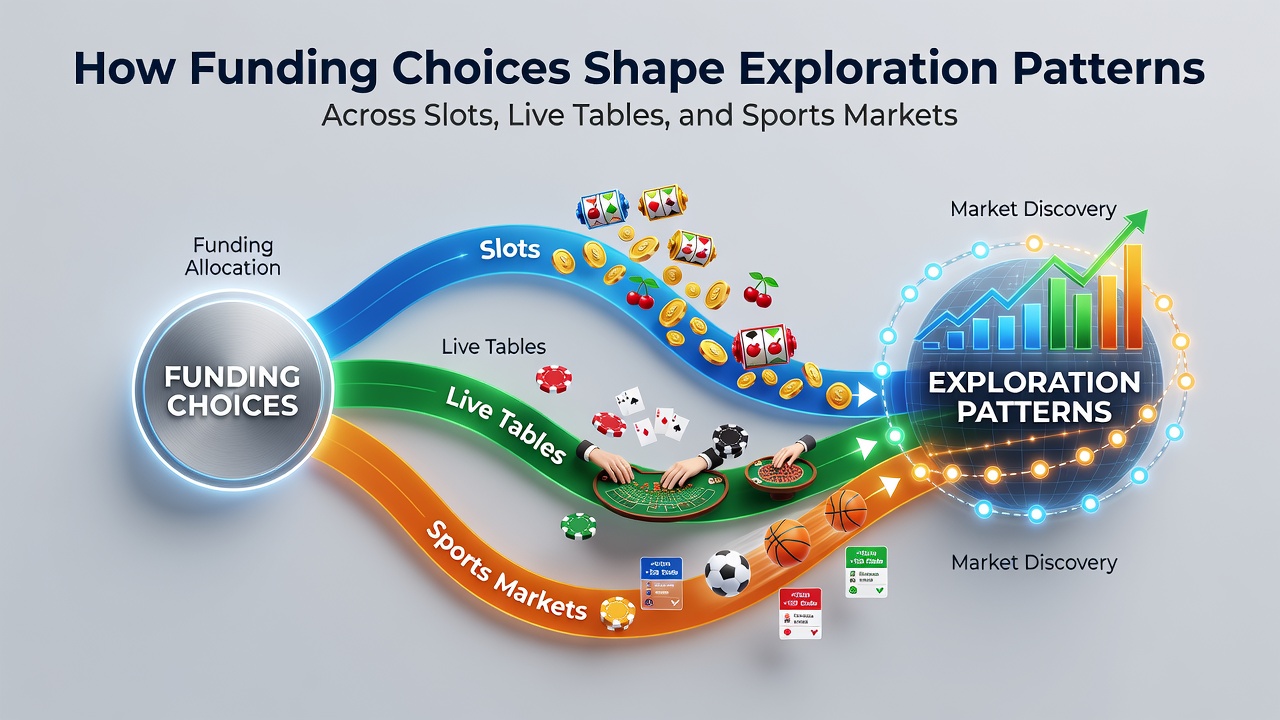
Payment selections determine which gaming verticals receive the most attention from participants in regulated markets, and transaction data from multiple jurisdictions shows consistent patterns in how deposit methods correlate with activity across slots, live tables, and sports wagering. Operators track these routes because funding velocity and preferred instruments influence session length, average wager size, and cross-product movement. Researchers at the University of Nevada, Reno documented that players using instant bank transfers spent 34 percent more time on live tables than those relying on card-based deposits during the 2025 calendar year.
Slots and Instant Funding Patterns
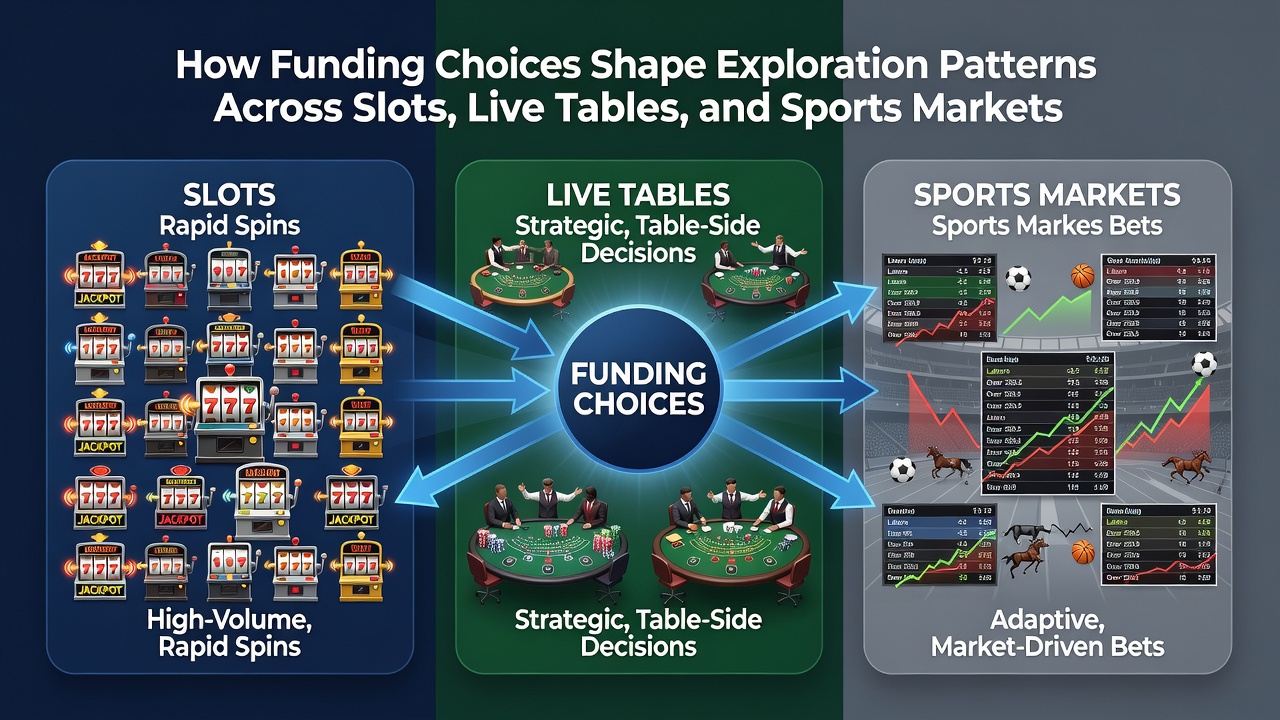
Slots attract the highest volume of micro-deposits, and platforms report that e-wallet users initiate reel sessions within seconds of funding completion. Data from integrated systems indicate that participants who preload smaller amounts explore more titles per visit, often switching between classic three-reel machines and video progressives within the same hour. When funding arrives through prepaid vouchers or digital wallets, average bet sizes remain lower yet session counts rise, creating broader exploration across the slot floor. Observers note that this behavior appears most pronounced in markets where mobile apps combine instant top-ups with loyalty point accrual.
Live Tables and Larger Commitment Deposits
Live table games show stronger associations with wire transfers and higher-limit bank instruments. Participants who route funds through these channels tend to maintain longer sessions at blackjack and roulette, and transaction logs reveal fewer but larger deposits compared with slot-focused activity. Studies compiled by the Canadian Gaming Association found that table-game players using verified bank accounts increased their average wager by 22 percent after the first funded session in 2025. Because these methods require additional verification steps, the resulting activity clusters around fewer games yet higher per-hand stakes, limiting rapid switching to other verticals during the same visit.
Sports Markets and Flexible Transaction Routes
Sports betting platforms display the widest variety of funding instruments, and participants frequently combine multiple methods within a single event cycle. Data collected across North American operators shows that users who deposit via cryptocurrency or e-wallets shift between pre-match and in-play markets more often than those using traditional cards. During July 2026, several state-licensed sportsbooks recorded elevated cross-product movement when users funded accounts through systems that also supported casino play, suggesting that unified wallets reduce friction between athletic wagers and reel or table sessions. Regulatory filings indicate that average sports deposit sizes sit between slot micro-transactions and table-game commitments, allowing participants to allocate remaining balances across verticals without additional transfers.
Cross-Vertical Movement and Loyalty Integration
Integrated platforms that link payment rails to tiered rewards record higher rates of exploration across all three categories. Participants who fund through systems that automatically apply bonuses to both casino and sports products demonstrate increased movement between slots and live tables on the same day, according to aggregated operator reports. Those routes also support sports bettors who return to reel games after cashing out winnings, because residual balances remain accessible without new deposits. Evidence from European regulatory summaries released in early 2026 shows similar patterns in markets where operators must separate gaming accounts yet permit instant internal transfers between verticals.
Regional Variations in Funding Influence
Patterns differ by jurisdiction because of local banking rules and operator configurations. Markets with widespread instant bank verification, such as certain Canadian provinces, report faster transitions from sports deposits to table-game activity. In contrast, regions that still rely on card processing show slower cross-vertical movement and higher concentration within single categories. Australian regulatory data released mid-2026 highlighted that participants using government-approved digital wallets allocated funds across slots and sports events at nearly equal rates, whereas card-only users stayed predominantly within one vertical. These differences underscore how infrastructure shapes the routes players actually follow once an account is funded.
Conclusion
Transaction records across multiple regulated markets demonstrate that funding choices function as gatekeepers for exploration patterns, directing activity toward slots with instant instruments, live tables with larger verified transfers, and sports markets with flexible multi-method options. Operators and regulators continue to monitor these flows because they affect both revenue distribution and responsible gaming controls. As payment technologies evolve, the mapping between deposit routes and product engagement will remain a central focus for data analysis in the industry.