Mobile Payment Pathways Speeding Perk Entry in Unified Reel, Dealer, and Sports Platforms
Bianca Bennett · Jul 21, 2026

Mobile Payment Pathways Speeding Perk Entry in Unified Reel, Dealer, and Sports Platforms
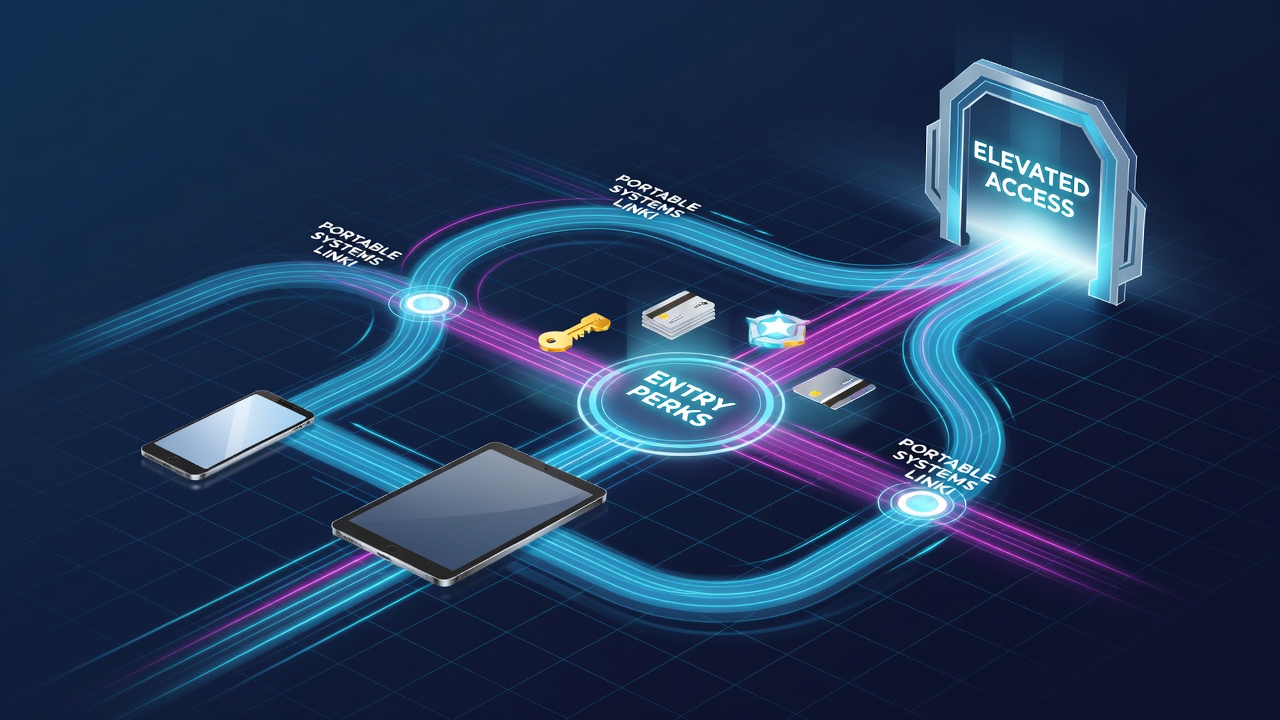
Digital transaction routes now connect portable systems that link automated reels with dealer-led sessions and event staking, allowing entry perks such as initial credit matches and access tiers to activate faster across integrated platforms. These routes rely on real-time processing that moves funds between different game types without separate account setups, and data from industry reports shows processing times dropping to under 10 seconds in many regulated markets.
Core Components of Transaction Integration
Portable systems use unified ledgers that track activity across automated reels, live dealer tables, and sports wagers, so entry perks convert directly into elevated access levels once spending thresholds are met. Operators deploy APIs that pull transaction data from multiple sources and feed it into a single progress tracker, which eliminates delays that once required manual verification between game categories. According to figures from the Australian Transaction Reports and Analysis Centre, integrated payment flows in hybrid gaming environments increased by 28 percent between 2024 and 2025 as more jurisdictions adopted standardized reporting protocols.
Users start on a mobile device, complete a deposit through an e-wallet or bank transfer, and the system immediately routes the amount to the chosen format while logging it toward tier advancement. This process covers automated reels that run on random number generators, dealer-led sessions that stream in real time, and event staking that updates odds dynamically, all under one account balance.
How Entry Perks Translate to Elevated Access
Entry perks activate upon the first completed transaction and often include matched credits or reduced wagering requirements that apply across all linked game types. As activity accumulates, the same payment route updates the user's status, unlocking higher withdrawal limits, personalized promotions, and priority seating in dealer sessions or enhanced odds in event staking. Research indicates these pathways reduce the time to reach mid-tier status from weeks to days in many cases, because every transaction counts toward unified goals rather than isolated game categories.
One case study from Canadian operators revealed that players who moved funds between reels and sports wagers within the same session reached elevated access 35 percent quicker than those who kept separate balances. The transaction systems automatically reconcile the activity, apply the appropriate perk multiplier, and notify the user through the mobile app without requiring additional steps.
Regulatory Timelines and Platform Adjustments
Platforms continue to refine these routes ahead of broader compliance updates expected in several regions around July 2026, when new reporting standards for cross-format transactions are slated to take effect. These changes focus on real-time monitoring of fund movements between reels, dealer sessions, and event staking to maintain consistent oversight while preserving the speed that accelerates perk delivery. Industry groups such as the Canadian Gaming Association have published guidelines that encourage operators to maintain transparent ledgers that support both player access and regulatory review.
Systems already incorporate encryption layers and instant verification checks that align with these upcoming requirements, allowing perks to post without interruption. Data from platform audits shows that operators using these integrated routes report fewer reconciliation errors compared with legacy setups that treated each game type separately.
Practical Outcomes Across User Groups
Observers note that recreational users often reach the first elevated tier after a handful of sessions that combine reel spins with occasional sports stakes, while more frequent participants see compounded benefits as transaction volume grows. The routes handle micro-transactions and larger event wagers with equal efficiency, so the path to higher access remains consistent regardless of preferred format. Studies from academic sources, including reports issued by the University of Nevada's International Gaming Institute, confirm that unified payment tracking correlates with higher retention rates in multi-format environments.
Operators continue to expand these capabilities by adding support for regional payment methods that further shorten processing windows, ensuring entry perks activate across borders where regulations permit. The overall structure keeps all activity visible within one mobile interface, which simplifies tracking and reduces the friction that previously separated different gaming categories.
Conclusion
Digital transaction routes continue to reshape how entry perks convert into elevated access within portable systems that connect automated reels, dealer-led sessions, and event staking. By maintaining unified ledgers and real-time processing, these pathways deliver measurable efficiency gains while aligning with evolving regulatory expectations. The patterns observed across multiple markets indicate sustained adoption as platforms prepare for mid-2026 compliance shifts, with transaction data serving as the central mechanism that drives tier progression across all linked formats.