Mapping Interlinked Loyalty Pathways Across Digital Reel Mechanics, Real-Time Interaction Formats, and Athletic Event Wagers in Regulated Markets
Petra Patterson · May 28, 2026
Mapping Interlinked Loyalty Pathways Across Digital Reel Mechanics, Real-Time Interaction Formats, and Athletic Event Wagers in Regulated Markets
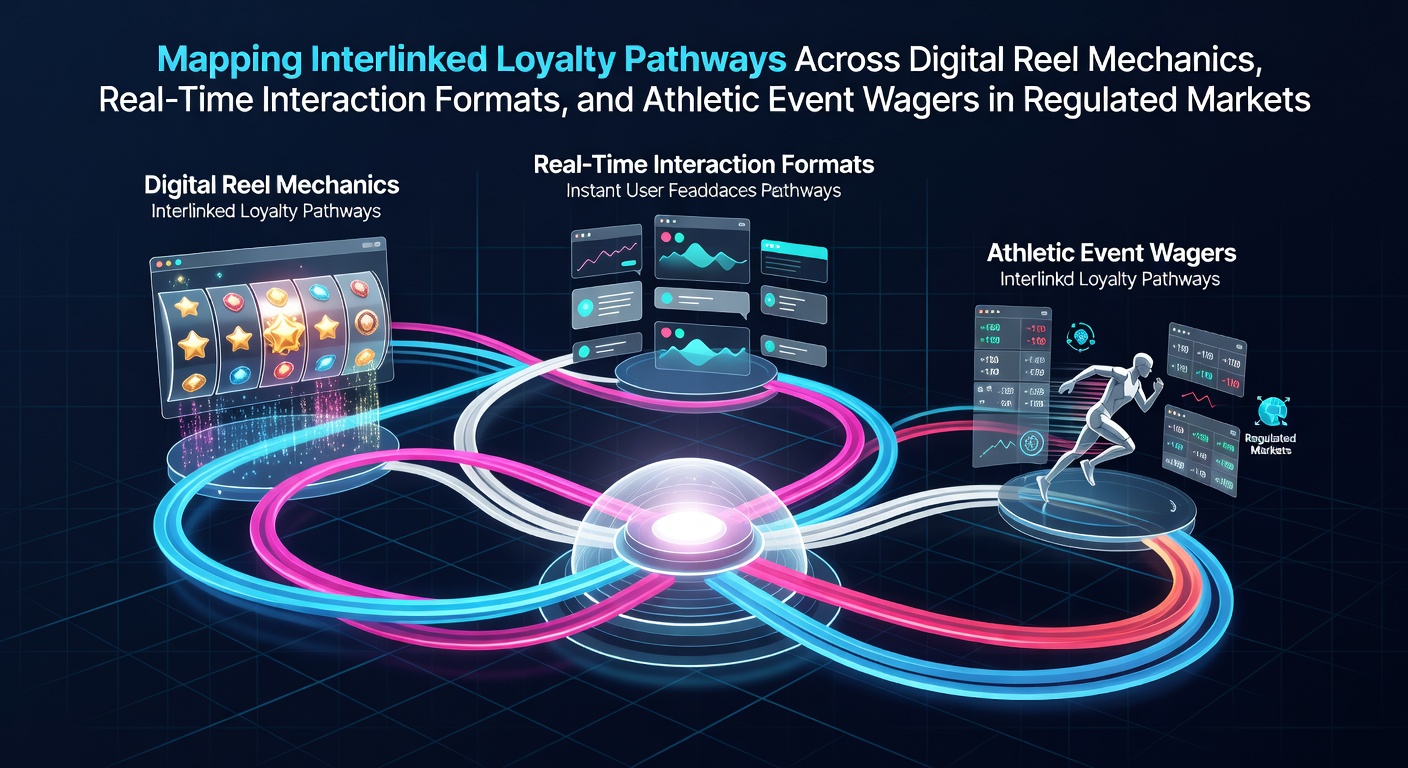
Integrated loyalty systems now connect digital reel mechanics with real-time interaction formats and athletic event wagers across multiple regulated jurisdictions, and operators track player activity through unified platforms that award tiered benefits based on combined engagement metrics. Data from state regulators shows these pathways allow users to accumulate points from slot sessions that directly influence rewards in live dealer environments and sports betting interfaces, creating measurable cross-vertical retention patterns in markets like New Jersey and Pennsylvania.
Digital Reel Mechanics as Entry Points
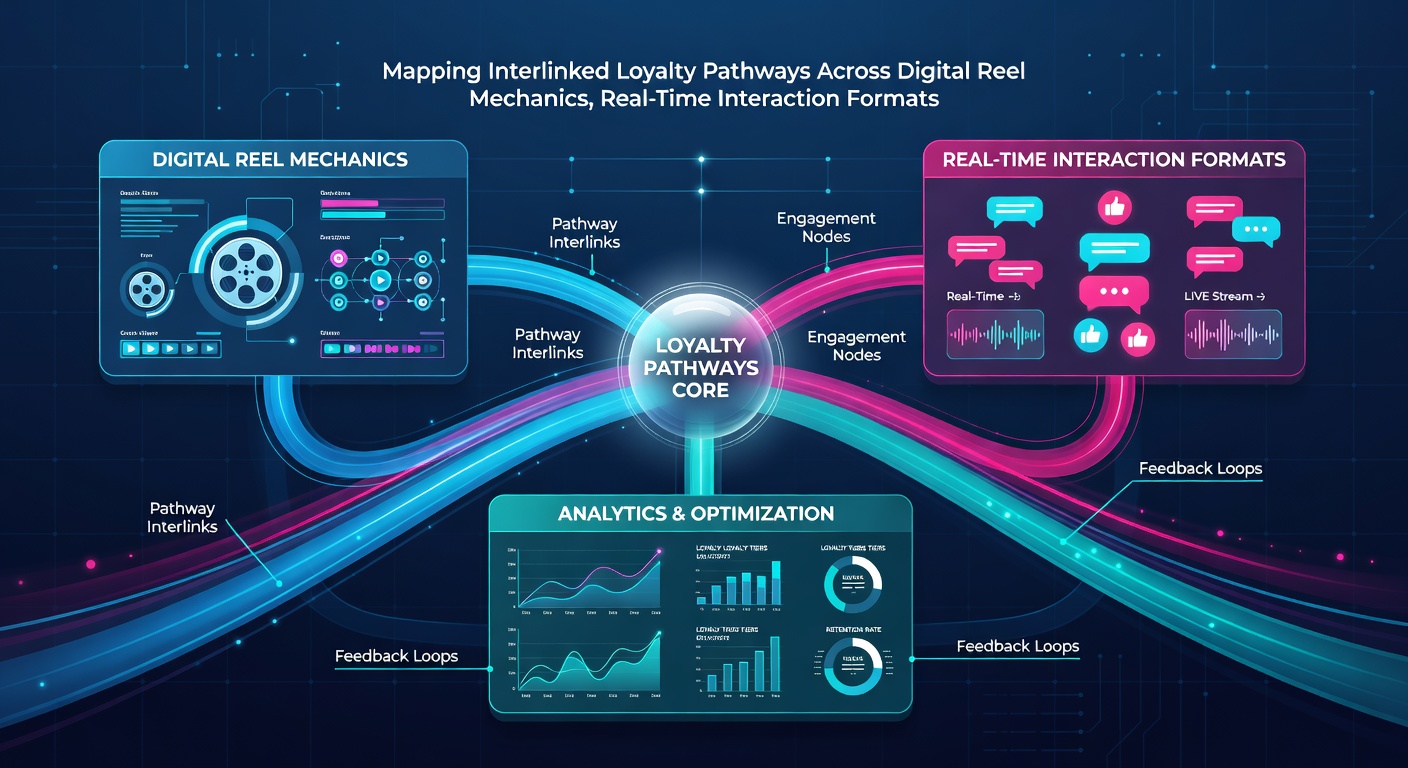
Digital reel systems generate initial loyalty triggers through base game play and bonus round participation, where operators log spin volumes and multiplier achievements into centralized accounts. Players advance through membership tiers when cumulative reel activity reaches defined thresholds, and these tiers unlock multipliers that apply across other game types. Research from the American Gaming Association indicates slot-derived points contribute over 60 percent of total loyalty balances in hybrid ecosystems, while seamless transfers prevent fragmentation in player profiles.
Real-Time Interaction Formats and Instant Rewards
Live dealer platforms integrate with the same loyalty engines by registering table decisions, chat engagements, and session durations in real time, which converts directly into redeemable credits or status upgrades. These formats emphasize immediate feedback loops, and data streams feed back into the core system within seconds of each hand resolution. Observers note that regulated operators in Ontario have documented higher engagement rates when live session rewards sync automatically with prior reel activity, reducing drop-off between verticals.
Athletic Event Wagers Completing the Loop
Sports betting modules close the pathway by converting wager outcomes and stake sizes into loyalty increments that retroactively boost reel and live rewards. Pre-match and in-play bets both register under the unified ledger, and operators apply dynamic multipliers during high-volume events. Figures from the Canadian Gaming Association reveal that sports-derived loyalty points increased 34 percent year-over-year in 2025, with many programs now routing those points back to digital reels for accelerated progression.
Regulated markets enforce strict audit trails on these transfers, and May 2026 brings updated reporting standards from the New Jersey Division of Gaming Enforcement that require quarterly disclosure of cross-vertical point flows. Compliance teams map every transaction node to prevent duplication while preserving player visibility into available redemptions. Those standards align with similar frameworks already active in Michigan and West Virginia, where unified dashboards display total pathway balances without exposing proprietary algorithms.
Regulatory Oversight and Data Standards
State and provincial regulators mandate that loyalty pathways maintain separation between promotional and financial ledgers, which protects against commingling of funds. Operators submit anonymized datasets that track average journey times from reel entry to sports wager redemption, and these reports feed into broader industry benchmarks. External audits verify that point values remain consistent across formats, and players receive transparent histories that list contributions from each vertical.
Industry reports further document how API connections between platforms enable instant status elevation when athletic wagers exceed certain volumes, while reel and live play simultaneously adjust the same tier meter. This architecture reduces friction and supports responsible gaming controls by surfacing unified spend limits across all connected activities. Those controls remain subject to ongoing review as new jurisdictions finalize their integration rules ahead of the May 2026 reporting cycle.
Conclusion
Interlinked loyalty pathways continue to evolve as operators refine the connections between digital reels, live interactions, and sports wagers under existing regulatory frameworks. Current implementations demonstrate measurable retention gains through synchronized point systems, and forthcoming disclosure requirements will provide additional transparency into these flows. Market participants track these developments closely as additional states and provinces adopt comparable standards.