Integrating Instant Payments with Tiered Membership Benefits in Reel Gaming and Sports Wagering Platforms
Petra Flores · Jun 6, 2026
Integrating Instant Payments with Tiered Membership Benefits in Reel Gaming and Sports Wagering Platforms
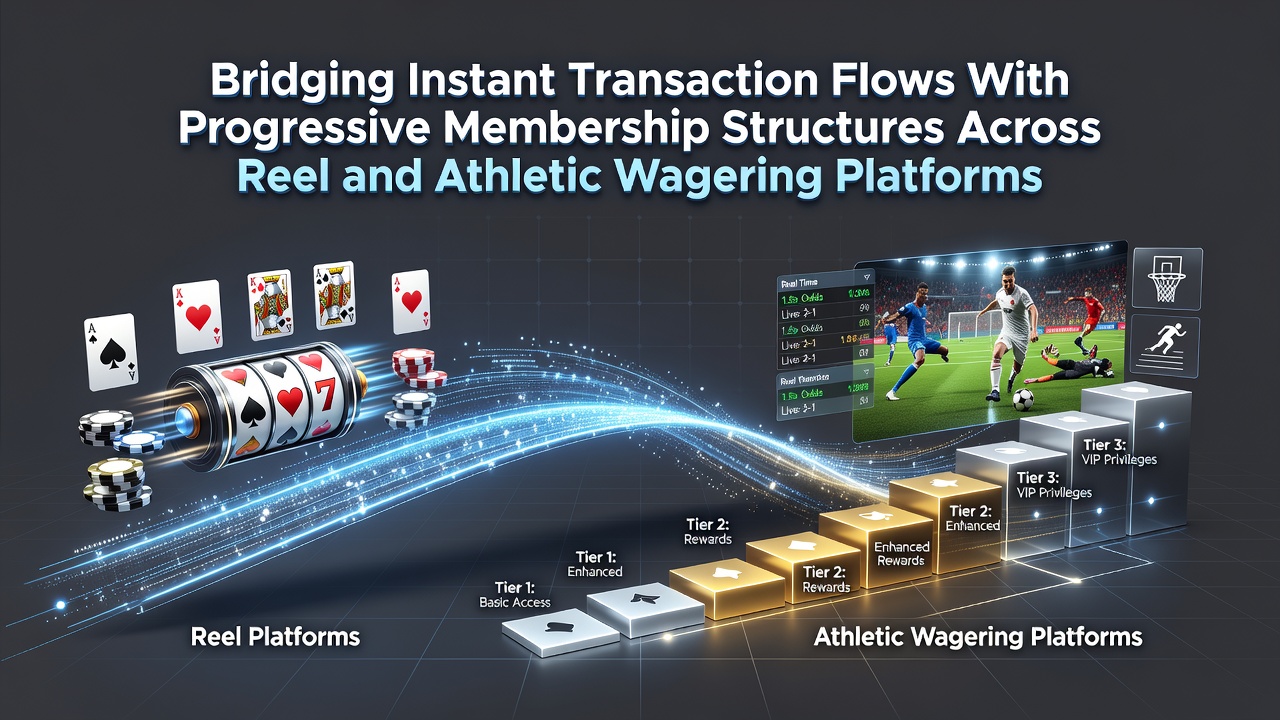
Platforms that combine reel mechanics with athletic event wagers have developed systems where instant transaction processing connects directly to progressive membership structures, allowing users to move between different game types while accumulating benefits in real time. These integrations rely on unified ledgers that track deposits, wagers, and outcomes across both verticals without requiring separate accounts or delayed reconciliations.
Transaction Processing Across Game Categories
Instant deposit and withdrawal mechanisms operate through shared payment rails that recognize activity in reel games and sports markets simultaneously, so a single transfer updates balances available for either format. Data from operators shows these rails reduce settlement times from hours to seconds in many regulated jurisdictions, which in turn supports continuous play sessions that span multiple categories. When a user completes a sports wager and immediately shifts to reel play, the system registers the sequence as part of one membership record rather than isolated events.
Progressive Membership Structures and Cross-Game Accumulation
Tiered membership programs assign points or status levels based on total handle rather than game type, which means reel spin volume and sports betting stakes contribute equally to advancement. Observers note that this structure encourages users to distribute activity across both formats because higher tiers unlock shared perks such as fee reductions on withdrawals or access to exclusive events. In practice, the progression algorithms apply multipliers when users maintain activity in both reel and athletic wagering within the same calendar period, creating incentives for diversified participation.
Regulatory Context in Mid-2026
By June 2026 several North American regulatory bodies had begun reviewing unified transaction standards that apply to combined reel and sports platforms, with the Alcohol and Gaming Commission of Ontario publishing updated guidance on real-time reporting requirements for cross-vertical activity. These updates require operators to demonstrate that membership data remains synchronized with payment flows so that responsible gambling tools function consistently regardless of which game type a user selects at any moment.
One study released by researchers at the University of Nevada examined transaction logs from platforms licensed in multiple states and found that users who reached mid-tier membership status increased their cross-category activity by measurable margins after the introduction of instant payment links. The findings indicate that seamless transfers between reel balances and sports wallets correlate with longer retention periods when status benefits apply uniformly.

Technical Integration Methods
Backend architectures employ API connections that push transaction confirmations into a central membership engine within milliseconds of completion, allowing tier calculations to update without batch processing delays. This approach prevents situations where a user achieves a new status level in reel play yet cannot access the corresponding sports wagering benefits until the next reconciliation cycle. Operators that adopted these connections reported fewer support tickets related to delayed reward recognition according to internal metrics shared with industry groups.
User Journey Examples
Consider a participant who deposits funds via an e-wallet, places a live sports wager, then moves remaining balance directly into reel sessions, all while the system logs every step toward the next membership threshold. The same participant can later redeem tier-based credits across either vertical because the ledger treats the original deposit and subsequent activity as a single progression path. Such flows have become standard on platforms operating under frameworks that permit both reel and athletic wagering under one license.
Conclusion
Unified transaction systems and progressive membership structures continue to evolve in environments that host both reel gaming and sports wagering, with integration points focused on speed, synchronization, and consistent status recognition. Regulatory developments through June 2026 have reinforced requirements for real-time data alignment, while technical implementations have reduced friction between game categories. These patterns reflect ongoing efforts by operators to maintain single-record membership systems that accommodate diverse wagering formats without separate tracking layers.