Integrated Transaction Systems Driving Tiered Membership Benefits Between Reel Games and Sports Wagers
Petra Flores · Jun 4, 2026
Integrated Transaction Systems Driving Tiered Membership Benefits Between Reel Games and Sports Wagers
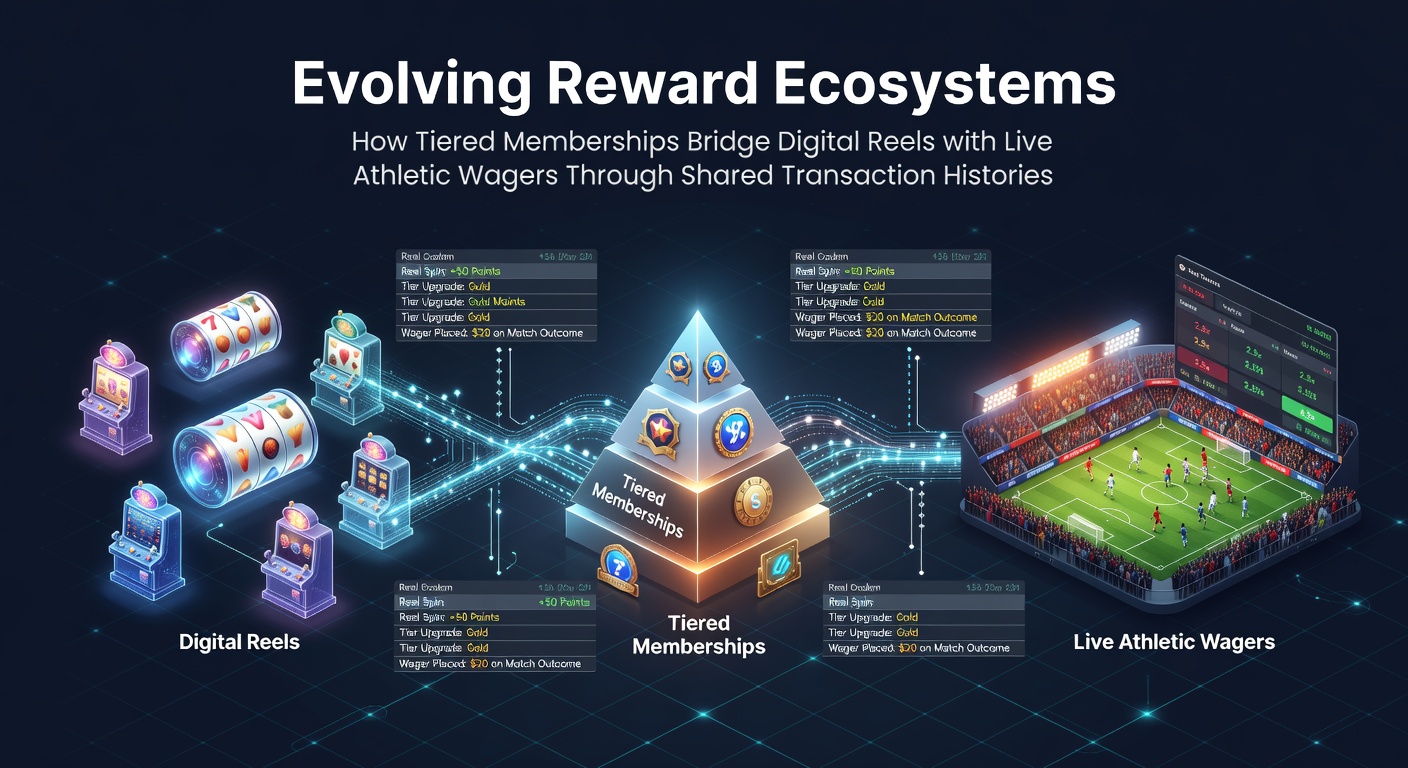
Platforms that combine digital reel mechanics with live athletic wagers now route all player activity through single transaction histories that determine tier advancement in unified loyalty programs. This approach allows deposits, wagers, and outcomes from both slots and sports betting to accumulate toward the same status levels, unlocking cross-category perks such as bonus credits, accelerated point earning, and priority access features.
Data from multiple regulated markets shows operators tracking every spin and every bet in centralized ledgers that feed directly into membership algorithms. A player completing a series of reel sessions followed by a sports wager sees both activities reflected in one visible balance, eliminating separate tracking systems that once divided rewards by game type.
Shared Histories as the Core Mechanism
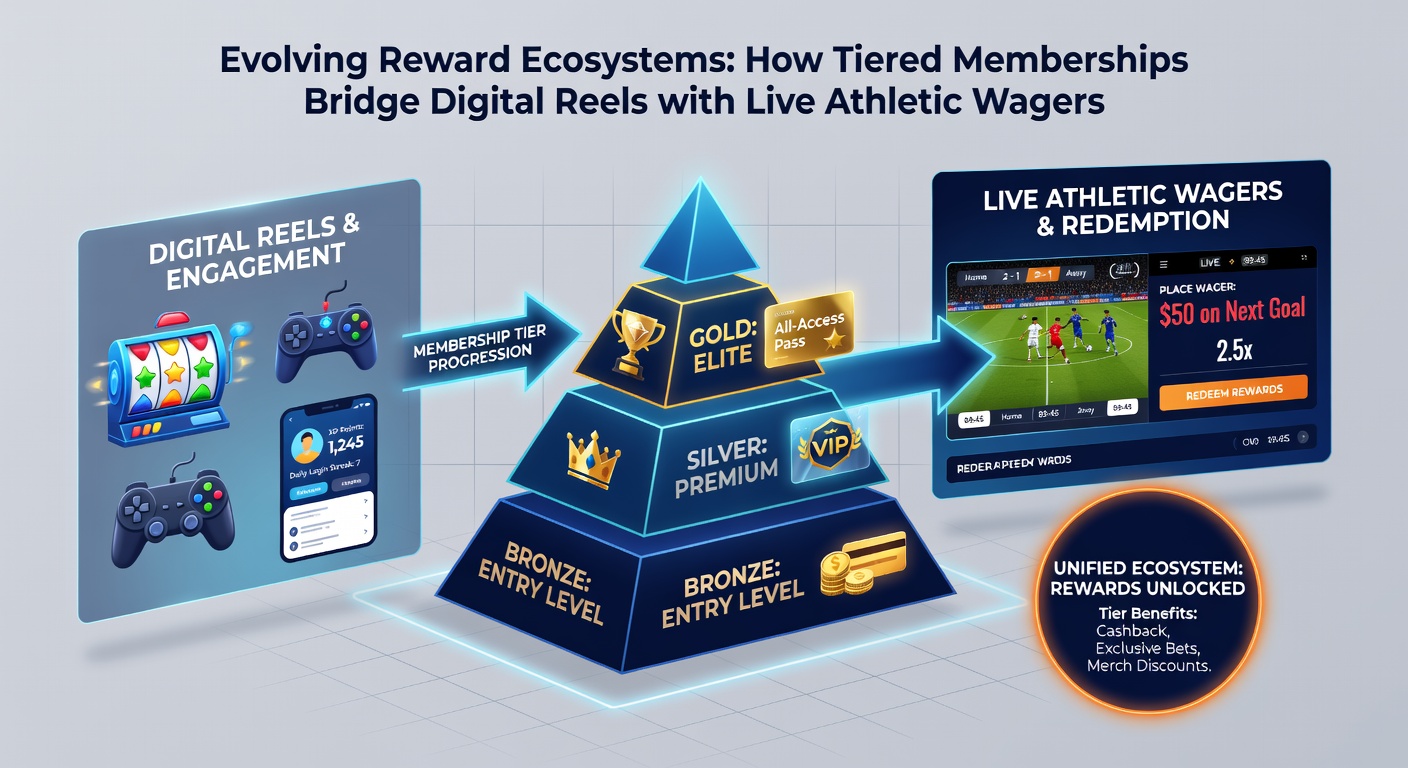
Transaction records capture wager amounts, frequency, and outcomes across formats without separating them by category. When a user places bets on both digital reels and athletic events, the combined volume moves that account upward through bronze, silver, gold, and platinum tiers at the same rate. Observers note that this method removes the need for players to maintain distinct accounts or meet separate thresholds for each vertical.
Operators implement these systems by assigning point values to every transaction regardless of whether it originates from a reel spin or a live match wager. A $50 reel session and a $50 sports bet each contribute equally to the monthly activity total that determines tier status. Research indicates this structure increases overall engagement because players no longer face artificial barriers between game types.
Tier Progression Rules in Practice
Most programs calculate tier status using rolling 30-day or 90-day windows that aggregate all qualifying transactions. Reaching the next tier requires hitting predetermined spend or point thresholds that treat reel play and sports wagers as interchangeable inputs. Once a player enters a higher tier, benefits apply uniformly across both activity types, including reduced withdrawal times and personalized promotional offers.
One documented case involved a mid-tier player whose reel activity alone would have kept the account at silver status, yet combined sports wagering pushed the same account into gold within the same period. The resulting benefits included higher cashback percentages on future reel sessions and improved odds boosts on athletic wagers, both drawn from the single elevated tier.
Regulatory Context in Mid-2026
In June 2026 several jurisdictions updated reporting requirements for loyalty systems that merge multiple game categories. These updates require operators to disclose how transaction data flows into tier calculations and to provide players with clear statements showing contribution from each format. Canadian provincial regulators and Australian state authorities both released guidance documents emphasizing transparency in shared-history models during that period.
Industry reports from the European Gaming and Betting Association highlight that platforms adopting unified transaction tracking experienced measurable shifts in player distribution across tiers. The figures reveal higher percentages of accounts reaching mid and upper tiers when reel and sports activity count toward the same goals.
Player Behavior Patterns
Users who engage with both reels and athletic wagers under unified systems tend to distribute activity more evenly across formats once they understand the shared impact on tier status. Transaction logs show increased crossover play, with reel sessions often preceding or following sports wagers within the same login period. This pattern emerges because the system rewards total volume rather than isolated activity in one category.
Platforms report that tiered benefits tied to combined histories reduce player churn compared with segmented programs. Accounts that previously maintained separate status levels for slots and sports now consolidate activity, resulting in faster progression and sustained participation. Data indicates the effect appears strongest among accounts that previously hovered near tier boundaries without crossing them under divided tracking methods.
Technical Implementation Details
Backend systems use application programming interfaces that pull transaction data from reel servers and sports betting engines into a common database. Each entry receives standardized metadata including amount, timestamp, and game type before the loyalty engine processes it. This architecture ensures that tier calculations remain consistent even when operators add new reel titles or expand sports markets.
Security protocols encrypt the unified histories while allowing real-time queries for tier status displays. Players receive dashboard views that break down contributions by format yet show a single overall progress bar toward the next membership level. Such interfaces help users visualize how their combined reel and sports activity drives reward accumulation.
Conclusion
Unified transaction histories now serve as the primary driver for tiered membership advancement across digital reels and live athletic wagers. Regulated platforms continue refining these systems to meet disclosure standards while maintaining the single-ledger approach that treats all qualifying activity as interchangeable input. The structure connects previously separate game categories through consistent data handling and shared progression rules that apply equally to every transaction recorded.