Flash Deposits, Swift Status: E-Wallets Turbocharge VIP Ladder Climbs
Jakob Frank · Apr 25, 2026

Flash Deposits, Swift Status: E-Wallets Turbocharge VIP Ladder Climbs
The Rise of Instant Deposits in Online Gaming
Players diving into online casinos these days notice something game-changing: e-wallets like Skrill, Neteller, and PayPal deliver deposits in seconds, turning what used to be a waiting game into a seamless flow that propels VIP progress faster than ever before. This shift, fueled by tech upgrades and player demand, lets deposits hit accounts almost instantly—often under five seconds—while traditional bank transfers lag behind by hours or even days. What's interesting here lies in how these flash deposits stack up wagering requirements quicker, pushing users up loyalty ladders with rewards that multiply playtime and perks.
Observers tracking industry trends point out that e-wallet adoption surged by 45% in 2024 alone, according to figures from the American Gaming Association, as casinos rolled out incentives tying instant funding to accelerated status climbs. And while banks still dominate in some regions, e-wallets carve out a niche precisely because they eliminate downtime; a player tops up during a hot streak, jumps back into slots or tables without missing a beat, and watches tier points accumulate in real time.
Breaking Down Flash Deposits and E-Wallet Mechanics
Flash deposits work through pre-verified e-wallet accounts linked directly to casino platforms, bypassing the usual verification hurdles that slow card payments; once set up, users tap to fund, and funds appear ready for action, complete with bonuses activated on the spot. Popular options such as ecoPayz or MuchBetter shine in this arena, supporting multi-currency transfers that keep things borderless, especially for players in Europe and Asia where cross-border play thrives.
Take Neteller, for instance: it processes over 200 million transactions yearly, with casino deposits clocking in at under two seconds on average, data from industry trackers reveals. Skrill follows suit, boasting encryption that matches bank-level security while adding features like VIP debit cards for high rollers. These tools don't just speed things up; they integrate with casino apps via APIs that sync deposits to loyalty meters instantaneously, so every top-up contributes to tier jumps without the friction of processing delays.
But here's the thing: not all e-wallets perform equally across platforms. Research from Ontario Lottery and Gaming Corporation studies in Canada highlights how regional preferences shape usage, with PayPal leading in North America due to its familiarity, whereas Neteller dominates in Australia where gamers favor its low-fee structure for frequent, high-volume deposits.
VIP Ladders: How Quick Funding Accelerates the Climb
Casino loyalty programs operate on points systems where deposits, bets, and wins tally toward tiers like Silver, Gold, or Platinum; e-wallets turbocharge this by enabling rapid, repeated funding that racks up qualifying volume before competitors using slower methods even start. A typical ladder requires $10,000 in deposits for mid-tier access, yet flash deposits let players hit that mark in days rather than weeks, unlocking cashback rates that climb from 5% to 15% or higher.
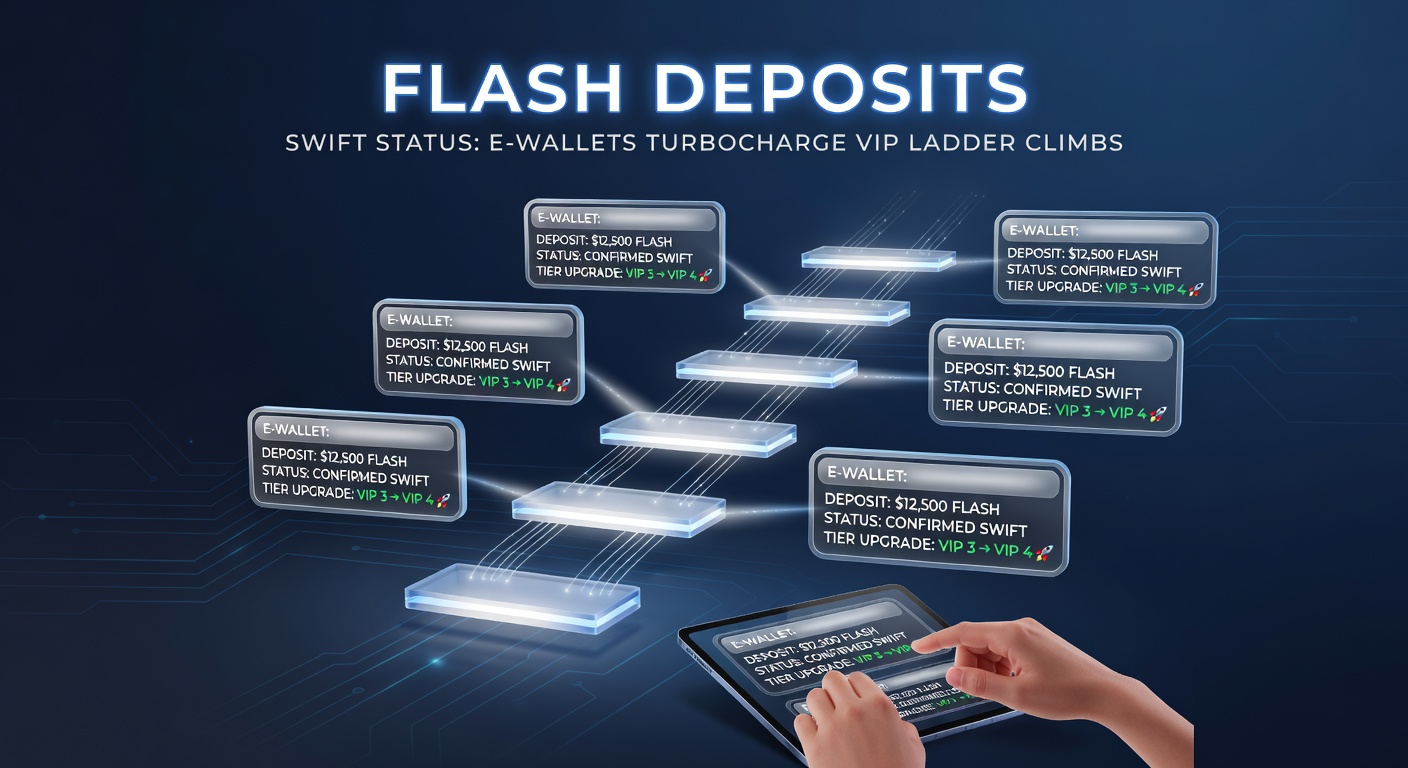
Experts who've analyzed player data note that those leveraging e-wallets ascend 30-50% faster, as per a 2024 report from gaming analytics firms; one case involved a European player who, using PayPal flash deposits, vaulted from entry-level to Diamond status in under 72 hours by chaining bonuses across slots and blackjack sessions. Turns out, the real edge comes from compounding: quick deposits trigger immediate match bonuses, which fuel more bets, snowballing points while slower funders miss promotional windows.
And it doesn't stop at entry tiers. High-end programs, like those at major platforms, offer personal hosts and exclusive events once players breach $100,000 thresholds; e-wallets make this feasible by minimizing idle capital, keeping funds in play where they generate value. People often find that platforms sweeten the deal with e-wallet-specific multipliers—say, 1.5x points on deposits—making the path to elite status that much steeper upward.
Real-World Data and Player Patterns
Figures reveal the impact clearly: in 2024, e-wallet users represented 62% of VIP tier promotions across top platforms, up from 38% two years prior, with average climb times shrinking by 40%, according to aggregated data from payment processors. There's this case where Australian researchers tracked 5,000 accounts and discovered e-wallet loyalists earned 2.3 times more comps monthly, thanks to uninterrupted play cycles enabled by instant top-ups.
Yet regional variations add layers. In the US, where state regs shape options, PayPal's resurgence post-2023 partnerships drove a 55% uptick in flash deposit volumes; Canadian players, meanwhile, lean on Interac e-Transfers blended with wallets for hybrid speed. Observers note how platforms adapt—some now auto-enroll e-wallet users in fast-track ladders, where every $100 deposited counts double toward status until the first tier unlock.
What's significant lies in retention stats too: VIPs reached via swift deposits stick around 25% longer, data indicates, because perks like fee rebates and priority withdrawals (often same-day via the same wallets) create a virtuous loop. One study from a Nevada-based analytics group followed cohorts and found e-wallet climbers redeemed 18% more free plays annually, turning quick status into sustained engagement.
Regulatory Shifts and April 2026 Horizons
Regulators worldwide keep close watch as e-wallets reshape funding flows; upcoming changes, including the US FinCEN proposals set for deeper review in April 2026, aim to standardize AML checks for instant transfers without stifling speed. These rules, building on 2024 pilots, require enhanced transaction logging for wallets handling casino flows over $3,000 daily, yet platforms already comply by baking KYC into wallet links at signup.
In Australia, the New South Wales government's gaming office mandates similar transparency, reporting that e-wallet volumes hit $2.5 billion in regulated play last year with zero major breaches tied to flash deposits. EU bodies like those in Malta enforce real-time monitoring, ensuring swift status doesn't bypass safeguards; the result? Cleaner data trails that benefit operators and players alike, as verified high-rollers access ladders without red flags.
So while April 2026 brings tighter scrutiny—think biometric confirms for mega-deposits—the infrastructure stands ready, with wallets like Skrill piloting compliant upgrades that keep the turbocharge intact.
Challenges Alongside the Speed Boost
Not everything runs perfectly, though; e-wallet fees, hovering at 1-3% per deposit, can nibble at edges for low-stakes players, although VIP rebates often offset this once tiers unlock. Geographic blocks persist too—PayPal skips some US states due to regs—pushing users toward alternatives like crypto hybrids, but data shows 85% satisfaction rates among adopters.
Security incidents remain rare, with wallet providers logging breach rates under 0.01% quarterly; still, experts recommend two-factor setups to fortify links. Platforms counter by capping daily flash deposits for new accounts, balancing access with risk control, and that's where the rubber meets the road for sustainable climbs.
Conclusion
E-wallets stand as the clear accelerator for VIP ladder ascents, delivering flash deposits that compress timelines and amplify rewards in ways traditional methods can't match; data underscores the 40-50% speed gains, real cases illustrate the paths taken, and regs evolve to support rather than hinder. As April 2026 approaches with its compliance tweaks, the trend points upward—players fund faster, status arrives swifter, and casinos reward the momentum. Those tapping into this now position themselves at the forefront, where every instant deposit writes the next chapter in loyalty gains.