Digital Identity Systems Enhancing Reward Access in Slot and Sports Wagering Platforms
Petra Flores · Jul 23, 2026
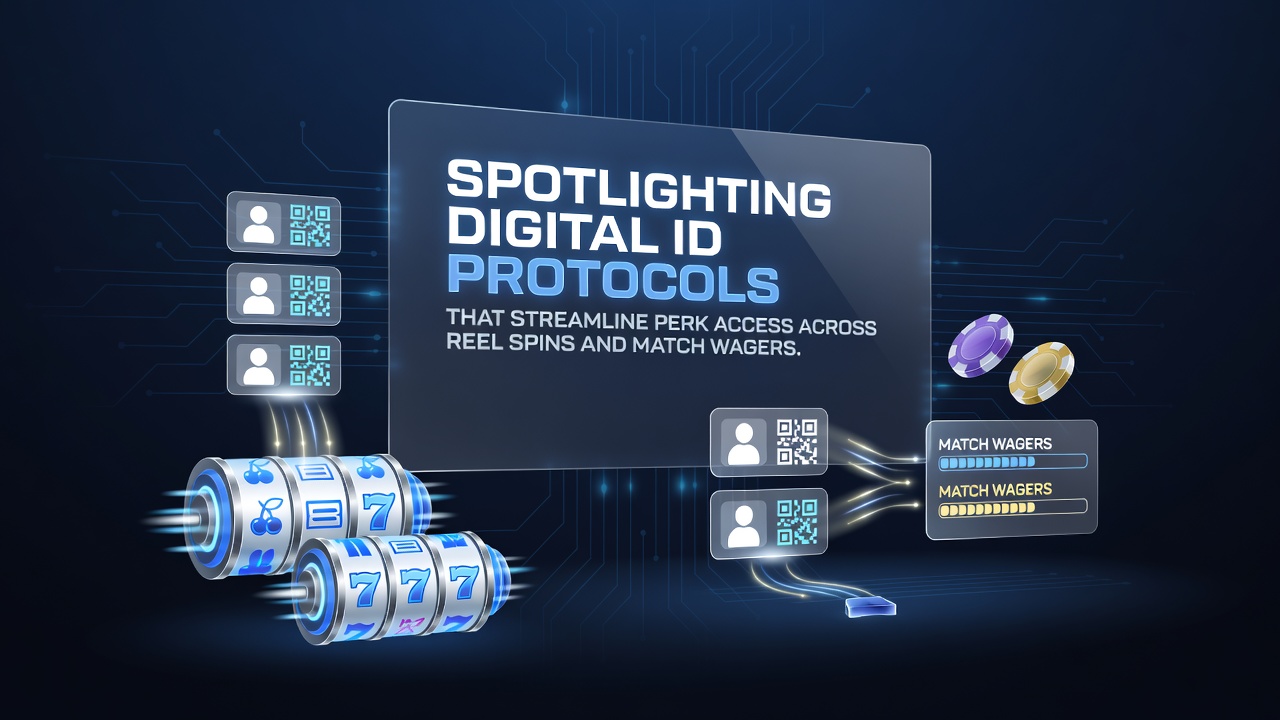
Digital Identity Systems Enhancing Reward Access in Slot and Sports Wagering Platforms
Digital identity protocols now connect player accounts across reel-based games and match wagering environments, allowing tiered benefits to transfer without repeated verification steps. These systems rely on standardized verification methods that confirm user details once and apply them to multiple platform sections. Operators in regulated markets have adopted such frameworks to reduce friction during account setup and reward redemption processes.
Core Components of Modern Digital ID Protocols
Protocols typically combine biometric data, encrypted tokens, and centralized ledgers to authenticate users across different game types. One common approach uses single sign-on technology paired with real-time identity checks that sync player status between slot machines and sports betting interfaces. Researchers at various academic institutions have documented how these methods cut verification time by linking databases that previously operated in isolation.
Another element involves token-based permissions that grant access to loyalty tiers based on combined activity from both reel spins and event wagers. Data from integrated platforms shows that players complete fewer separate logins when these protocols handle cross-game tracking automatically. Observers note that the structure supports faster progression through membership levels because activity metrics update in a shared system rather than through manual transfers.
Implementation Patterns Across Regulated Markets
Platforms in North America and parts of Europe began rolling out unified digital ID tools during 2025, with broader adoption timelines extending into mid-2026. Figures from industry reports indicate that several operators completed system upgrades by July 2026 to align with updated compliance requirements for player data handling. These changes allow reward points earned on slot reels to contribute directly to sports wager eligibility thresholds without additional identity confirmation.
Take one operator in a U.S. state market that integrated a protocol linking biometric scans with transaction histories. The setup enabled players to view combined progress toward VIP status on a single dashboard, covering both chance-based reels and competitive match outcomes. Similar patterns appear in Canadian jurisdictions where provincial regulators require secure data exchange between game categories.

Technical Standards and Data Flow Mechanisms
Standards developed by trade associations emphasize interoperability so that different software providers can exchange verified identity elements without exposing full personal records. These standards use layered encryption that separates sensitive details from activity logs while still permitting tier calculations. Evidence from platform audits reveals that such separation maintains compliance with data protection rules across multiple jurisdictions.
Transaction flows move through application programming interfaces that update loyalty balances in real time. When a player completes a series of reel spins followed by a sports wager, the protocol registers both actions under one verified profile. This linkage supports automatic application of perks such as bonus credits or priority event access based on overall engagement levels rather than isolated game performance.
Regulatory Context and July 2026 Developments
Regulatory bodies have examined these protocols for alignment with anti-money laundering and consumer protection guidelines. In July 2026, several oversight agencies began reviewing expanded use cases where digital ID systems handle cross-category reward mapping. Reports from the Alcohol and Gaming Commission of Ontario highlight testing phases that confirmed secure data routing between slot and wagering modules.
Meanwhile, academic studies from European research centers have analyzed how these protocols affect player retention metrics when rewards flow seamlessly between game formats. The studies track metrics such as session duration and tier advancement rates under unified verification conditions versus older separate systems.
Practical Outcomes in Hybrid Gaming Environments
Operators report that players encounter fewer interruptions during transitions between reel automation and live event interactions. One documented implementation involved a platform that applied a single digital ID token across its slot library and sports book section, resulting in consolidated reward statements issued monthly. Figures shared in trade publications indicate reduced support ticket volume related to identity verification after protocol deployment.
Additional examples include partnerships between software vendors and gaming associations that produced open specifications for token exchange. These specifications allow smaller operators to adopt the same verification methods used by larger groups without building custom solutions from scratch. The approach maintains consistent perk eligibility rules regardless of whether activity originates from reel spins or match wagers.
Conclusion
Digital ID protocols continue to shape how reward systems operate across reel and wagering platforms by centralizing verification and enabling unified tracking. Adoption timelines reached key milestones around July 2026 in several regulated regions, supported by standards from industry groups and oversight from bodies such as the Alcohol and Gaming Commission of Ontario. Further details appear in reports from the Alcohol and Gaming Commission of Ontario, while research summaries from university gaming studies provide additional context on implementation patterns. These systems focus on secure data handling and efficient perk distribution without requiring repeated identity steps for each game category.