Cross-Platform Reward Mapping: How Payment Flows Shape Tier Progressions Between Reels and Athletic Wagers
Petra Patterson · Jun 9, 2026
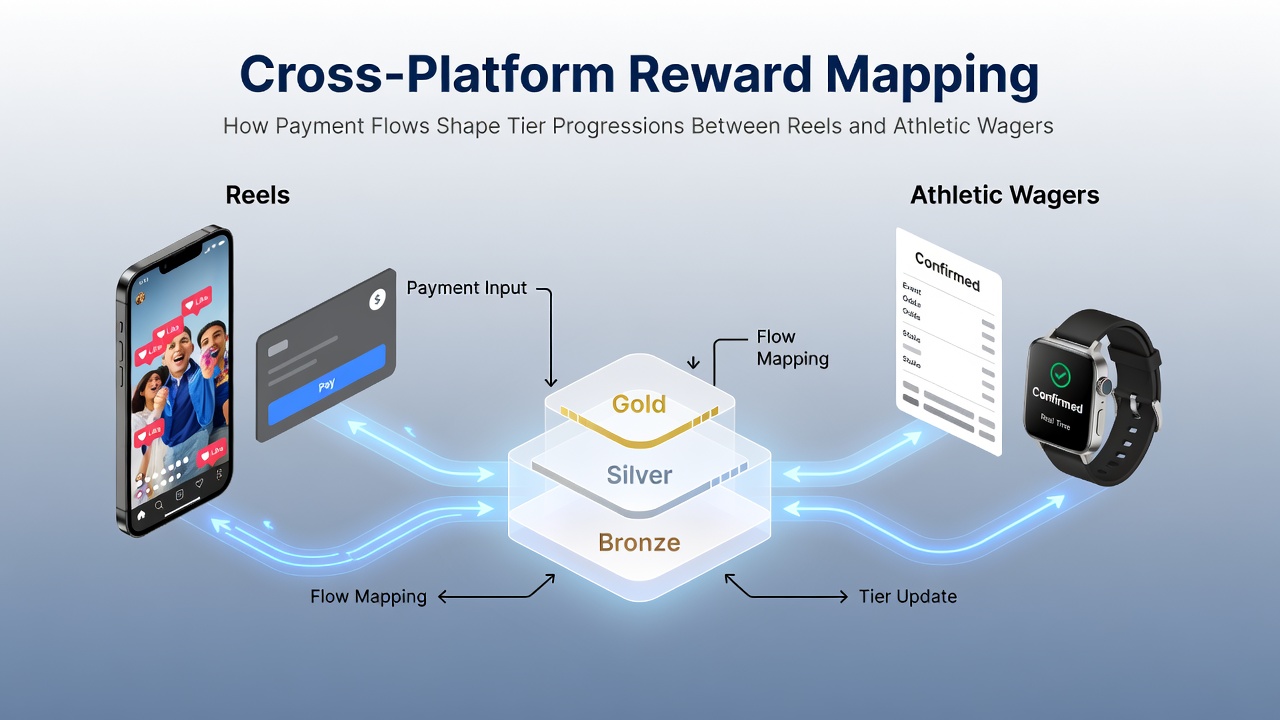
Cross-Platform Reward Mapping: How Payment Flows Shape Tier Progressions Between Reels and Athletic Wagers
Payment flows in integrated gaming platforms create direct connections between reel-based games and athletic wagers that determine how users advance through tiered membership structures, and operators track these movements through centralized transaction ledgers that assign points based on wager volume and frequency across both categories. Data from multiple jurisdictions shows that unified payment processing allows a single deposit to allocate portions toward reel activity and sports event participation simultaneously, which then feeds into progression algorithms that calculate tier eligibility using combined spend metrics rather than isolated game categories.
Transaction Data Integration Across Game Types
Operators maintain backend systems that log every payment event with metadata tags identifying the originating game type, so a deposit used for reel spins registers alongside a later transfer to an athletic wager account within the same user profile, and these records form the basis for reward mapping protocols that convert total handle into tier points at standardized rates. Research from the American Gaming Association indicates that platforms employing these mapped systems report higher cross-category engagement rates, with transaction volumes increasing when users see their progress reflected in a single tier dashboard instead of separate trackers for reels and sports.
Payment processors embed unique identifiers in each transfer that allow downstream systems to reconcile activity across verticals, which means a withdrawal from one category does not erase accumulated points if the overall balance history meets progression thresholds. Observers note that this approach reduces fragmentation in user accounts and supports consistent tier advancement even when activity shifts between reel sessions and live event betting.
Regional Regulatory Influences on Mapping Standards
Regulators in New Jersey and Pennsylvania require operators to maintain auditable records of how payments contribute to loyalty calculations, which has prompted the adoption of standardized data fields that separate but link reel and sports wager contributions. These requirements ensure that tier progressions remain transparent and that users receive accurate credit regardless of the sequence in which they place wagers across game types. Figures from the New Jersey Division of Gaming Enforcement reveal steady growth in cross-platform activity following the implementation of these reporting rules, with combined handle from reels and athletic events rising in tandem.
In Australia, state-level oversight bodies have examined similar mapping practices, and reports show that operators using unified payment rails achieve more predictable tier progression timelines because the data flows eliminate gaps that previously occurred when users switched between separate reel and sports interfaces. What's interesting is how these regional approaches converge on the need for real-time reconciliation to prevent discrepancies in point allocation.
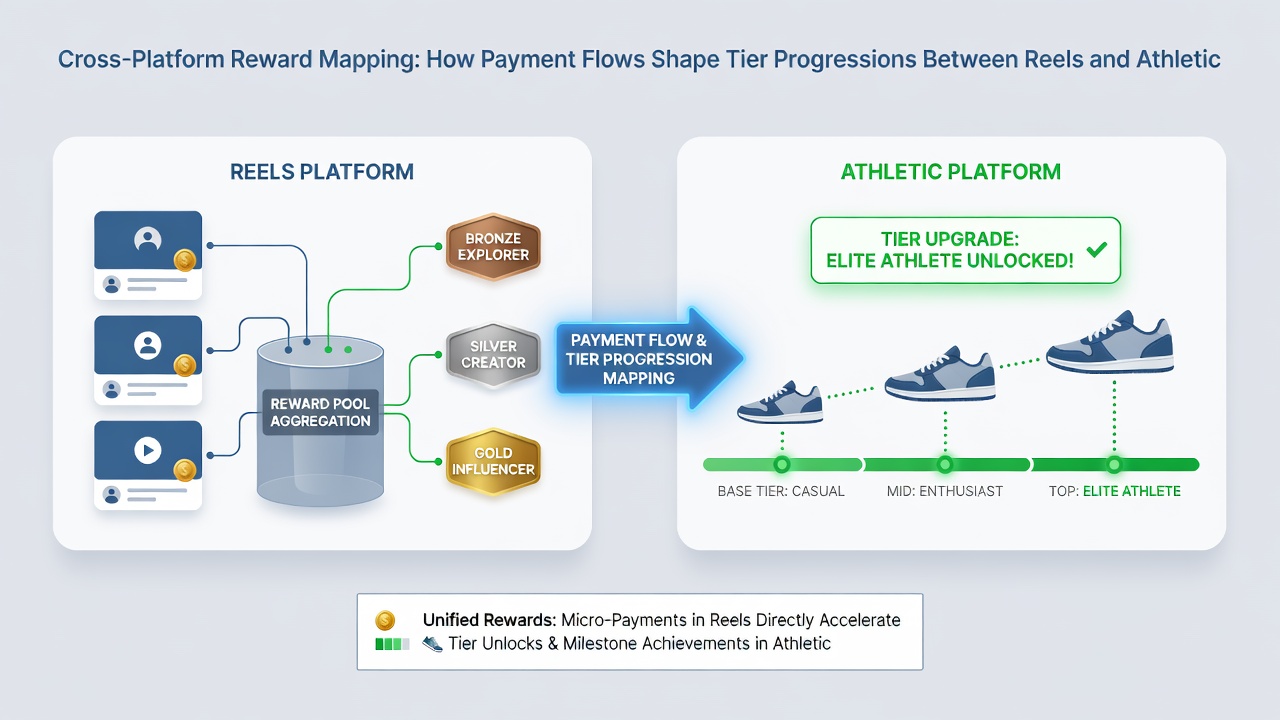
Algorithmic Weighting of Payment Streams
Progression algorithms apply differential weighting to payment streams depending on the game category and wager size, so larger athletic event bets may accelerate tier movement at a different rate than equivalent reel play volume, and operators adjust these weights periodically based on regulatory guidelines and internal performance data. Studies from Canadian provincial gaming commissions demonstrate that such weighting systems encourage balanced participation across both verticals without creating unintended advantages for one category over the other.
June 2026 marks the scheduled review period for several North American jurisdictions evaluating updates to these weighting formulas, and preliminary consultations suggest operators will need to incorporate new data points related to payment method diversity when calculating tier eligibility. This development aligns with broader efforts to standardize how cross-platform activity contributes to membership levels in regulated markets.
Case Examples from Integrated Platforms
One operator in Atlantic City implemented a mapping protocol that converts every dollar wagered on reels or athletic events into unified tier points at a fixed ratio, resulting in measurable increases in overall account activity according to internal metrics shared with state regulators. Another platform in Ontario adjusted its reconciliation process after feedback from users who noticed delays in tier updates when switching between game types, and subsequent refinements shortened the time between payment processing and point posting.
These examples illustrate how payment flow architecture directly influences the speed and predictability of tier advancement, with operators refining their systems to handle simultaneous activity in both reels and sports wagers without creating bottlenecks in data processing.
Conclusion
Payment flows serve as the structural backbone for reward mapping systems that connect reel games and athletic wagers within tiered membership frameworks, and continued regulatory attention in multiple regions supports ongoing refinements to these processes. Operators rely on precise transaction logging and algorithmic reconciliation to maintain consistent progression pathways, while users benefit from unified visibility into how their combined activity across categories translates into tier status. Data from industry associations and government oversight bodies continues to track these developments as platforms evolve their technical infrastructure to accommodate growing cross-category participation.